Farming used to be pretty straightforward. You planted seeds, prayed for rain, and hoped the bugs didn’t get hungry. That approach has served humanity for thousands of years, but we have reached a point where the old ways just aren’t keeping up.
Fortunately, we are entering a new era in which silicon chips are as important as soil. The future of sustainable agriculture with tech is arriving right now, and honestly, it looks a lot like science fiction.
Precision Farming and Smart Sensors
Waste is the biggest enemy of sustainability. Historically, farmers had to treat entire fields the same way. If one corner needed fertilizer, the whole field got it. That is expensive and bad for the environment. Precision farming changes the game completely!
Imagine sensors buried in the dirt that talk to a smartphone. These little gadgets monitor moisture levels, nutrient density, and temperature in real-time. Consequently, a farmer knows exactly which plants are thirsty and which are doing just fine.
They apply water and nutrients only where necessary. This targeted approach saves money but, more importantly, conserves a massive amount of resources.
Robotics in the Field
Labor shortages are a real headache for the agricultural industry. It is back-breaking work, and fewer people want to do it. Thankfully, robots are stepping in to fill the gap. These aren’t the scary robots from movies; they are helpful machines designed to handle delicate tasks.
Some robots use computer vision to identify weeds and pluck them out individually. This mechanical weeding means farmers can stop spraying herbicides everywhere.
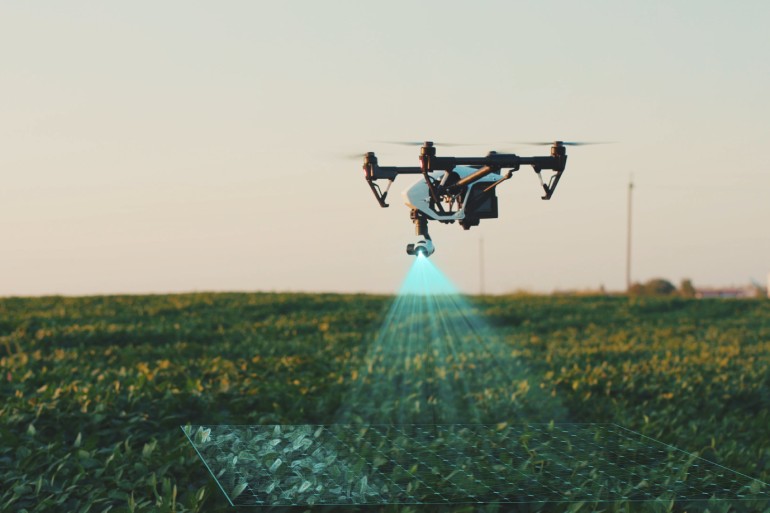
On a related note, using drones for agriculture allows growers to scan hundreds of acres in minutes to spot disease outbreaks before they spread. It allows for a level of control that was impossible just a decade ago.
Data-Driven Decision Making
Farming is becoming a job for data scientists. In the past, you relied on the Farmer’s Almanac and a gut feeling. Now, decisions rely on hard data, and farmers collect terabytes of information every season.
Software analyzes this data to predict crop yields and suggest the best planting times. Therefore, a farmer can look at historical weather patterns and current soil conditions to make a move that maximizes their harvest.
It takes the guesswork out of the equation! Apps can even track a head of lettuce from the field to the grocery store shelf.
What This Means for Us
Technology is not replacing the farmer; it’s giving them superpowers. By embracing these advancements, we can get more food with less environmental impact. That is the core promise of the future of sustainable agriculture with tech. It’s an exciting time to care about where your food comes from, because the farm of tomorrow will be cleaner, smarter, and more efficient than ever before, ensuring a healthier planet and healthier people for generations.