
Caring for elderly parents is a profound responsibility, and when it involves wound care, it demands special attention and sensitivity. Their bodies become more susceptible to various types of wounds, from pressure ulcers to surgical incisions and burns. If not managed properly, these wounds can lead to complications that hinder the healing process and diminish their overall quality of life.
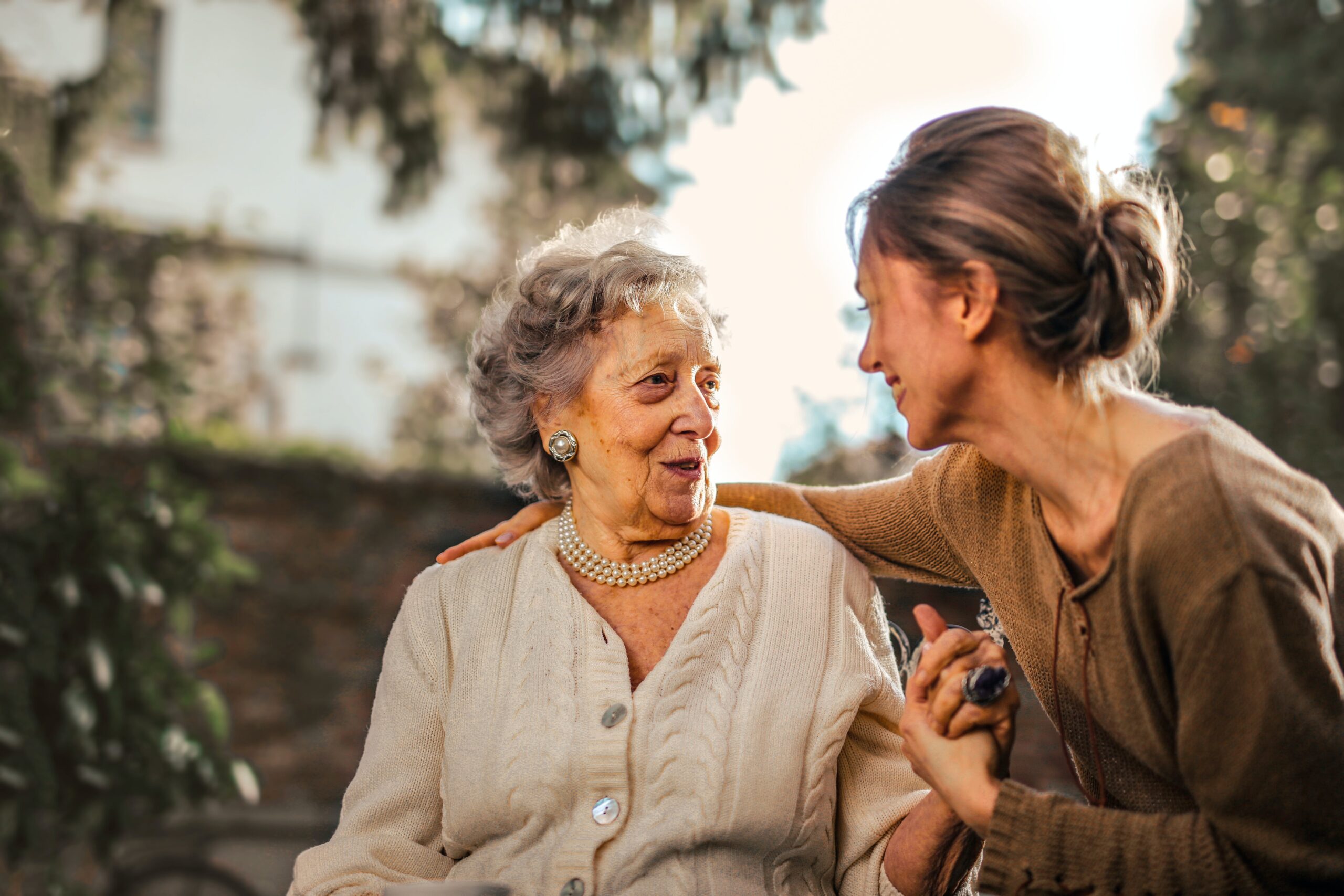
In this article, we will explore essential wound care tips specifically tailored to the needs of elderly parents, aiming for a swift and effective recovery. So, read thoroughly to the end!
Maintain Proper Hygiene
Maintaining proper hygiene is paramount when caring for wounds in elderly parents. The skin of elderly individuals is often more delicate and prone to infections due to a natural decrease in skin elasticity and the weakened immune system that can accompany aging. Therefore, meticulous cleanliness around the wound area is crucial to prevent complications.
Start by washing your hands thoroughly with soap and water before and after handling the wound. This prevents the introduction of harmful bacteria or contaminants. When cleansing the wound itself, use a gentle touch and mild soap, preferably one recommended by a healthcare professional. Avoid harsh or scented soaps that could irritate the skin.
Pat the wound dry with a clean, soft cloth, ensuring no moisture is trapped in the area. Moisture can foster bacterial growth and slow down the healing process. Keeping the wound clean and dry creates an optimal environment for the body’s natural healing mechanisms to work effectively, reducing the risk of infection and promoting a swift recovery for your elderly loved ones.
Choose the Right Dressing
Choosing the appropriate dressing for a wound is a critical aspect of wound care for elderly parents. Different types of wounds require specific dressings tailored to their needs. For example, pressure ulcers may benefit from hydrocolloid dressings, which promote a moist wound environment conducive to healing, while surgical incisions may require sterile gauze and adhesive strips for protection and support.
The proper dressing protects the wound and helps maintain a sterile environment, which is essential in preventing infection. Furthermore, it supports the body’s natural healing process by optimizing moisture levels and facilitating tissue repair.
Therefore, seek expert advice and adhere to their recommendations to receive the best wound care possible, promoting a swift and effective recovery.
Monitor for Signs of Infection
Monitoring signs of infection is a crucial component of wound care for elderly parents. This is because infections can significantly impede the healing process and pose serious health risks. Thus, researchers suggest exploring the potential tb 500 benefits as a means to reduce the risk of infection and inflammation. However, it is crucial to emphasize that before considering TB-500 or any such innovative approaches, consulting with healthcare professionals is paramount. They can provide guidance on the necessary steps to address the infection, prevent complications, and ensure a smoother recovery for your elderly loved one.
Monitoring for infection is a proactive measure that contributes significantly to the overall success of wound care in the elderly.
Regularly Change Dressings
Consistency in dressing changes promotes a clean and sterile environment around the wound, minimizing the risk of infection and optimizing the conditions for rapid healing.
Moreover, changing dressings helps ensure that the wound remains protected and properly covered. Dressings can become soiled or lose their effectiveness over time, making regular replacements necessary to maintain an optimal healing environment.
Consult with healthcare professionals to establish a schedule for dressing changes based on the specific wound and its healing trajectory. Adhering to this schedule diligently ensures that your elderly loved one receives consistent and comprehensive wound care, ultimately contributing to a smoother and swifter recovery process.
Encourage Mobility and Gentle Exercise
Maintaining physical activity, even in a limited capacity, can play a pivotal role in the healing process. Gentle exercises like walking or chair exercises improve blood circulation and prevent muscle atrophy and joint stiffness, which are common issues in elderly individuals with reduced mobility.
Moreover, physical activity stimulates the body’s natural healing mechanisms, aiding in tissue repair and reducing the risk of complications such as blood clots. It also contributes to the overall well-being of your elderly loved one by enhancing mood, reducing stress, and boosting their sense of independence.
However, it’s crucial to tailor exercise recommendations to your parent’s specific condition and limitations, consulting with healthcare professionals or physical therapists as needed.
Conclusion
Elderly individuals face unique challenges in wound healing due to factors such as reduced skin elasticity, weakened immune systems, and chronic medical conditions. This makes it crucial for caregivers to understand wound care principles and best practices comprehensively.
By following the guidance in this article, you can help ensure your elderly parents receive the optimal care and support they need to recover quickly and maintain their well-being.