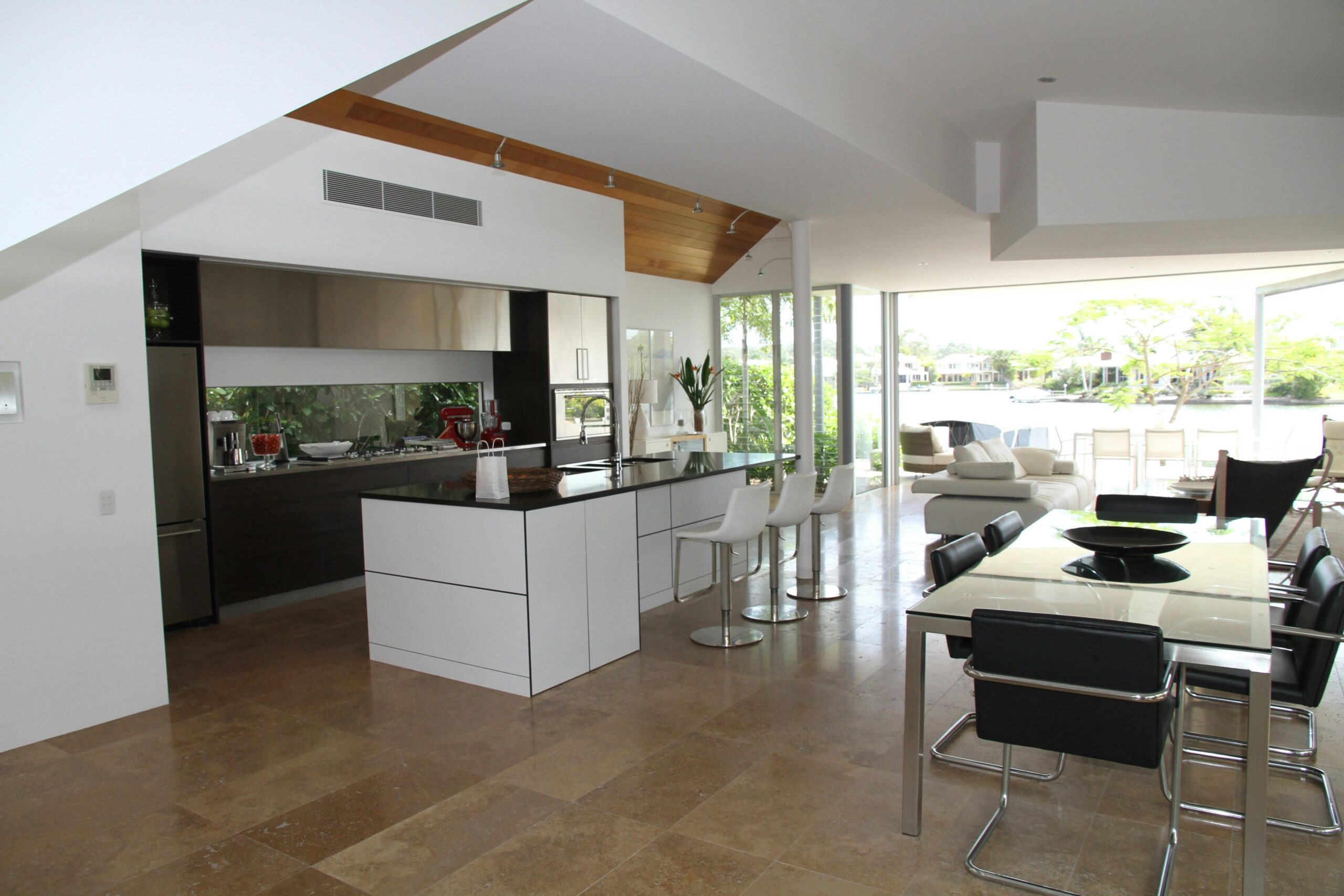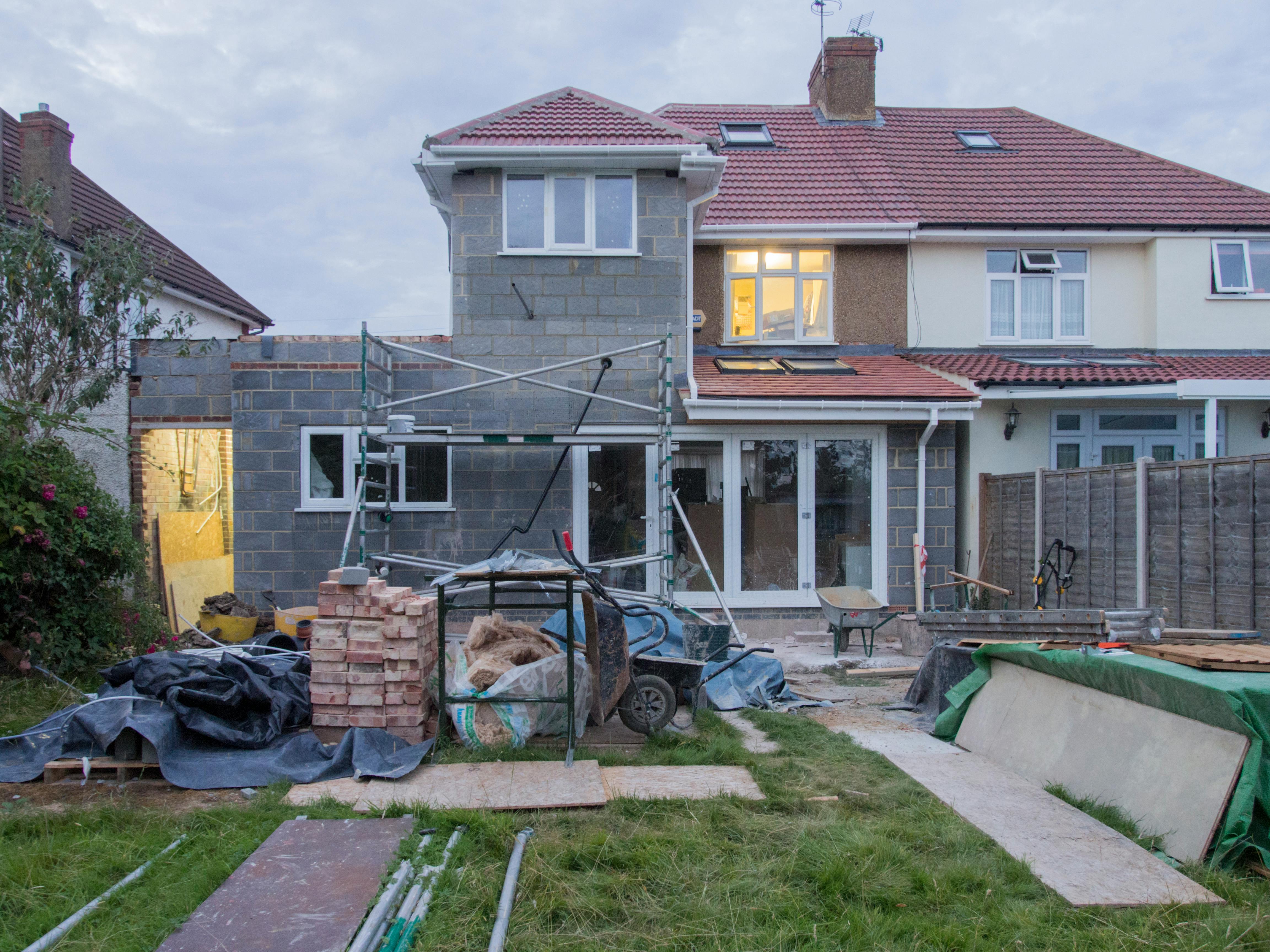
If you’re willing to put in the work and even delay how long it takes to move in, purchasing a neglected home that may have fallen into some form of disrepair can be a good option. You may have tens of thousands knocked off the asking price for a property like this for obvious reasons. For some, that’s worth the trade off, where a significant amount of care and attention will be necessary before you move in.

Of course, how long this takes will be determined by how damaged the property is. If the household is mostly suffering from interior harm (perhaps if the prior resident had a hoarding problem and rarely cleaned), then it will take less time to restore than a hope damaged by the weather or broken by foundational shifts.
So while we can’t put an exact timeline on how long your particular option will take, we can give a general layout of which processes you may need to go through and how to develop a more coherent end result. Restoring an older house to its older glory (or better) can be deeply satisfying if you have the time and funds to do so. Just remember that the money you save now may need to be invested into doing up the house, but by and large you get to decide how this goes.
With that in mind, please consider:
Safety Structures & Structural Integrity
Before anything else, you need to make sure the property can stand and is safe to work on. Of course, this is something you can inspect with an appropriate contractor before you purchase the home, and you should! A thorough structural assessment may just reveal the true scope of repairs needed, and it’s good to know that now compared to later on.
Professional surveyors will generally spend several hours carefully inspecting load-bearing walls, checking for subsidence, and through that finding any potential safety hazards to note. Signs of structural weakness often come through cracks in walls, uneven floors, or doors that no longer close properly despite having well-installed and oiled hinges.
These issues, while they may seem like the end of everything, can usually be addressed through reinforcement techniques or partial rebuilding of certain sections. Just be absolutely clear you know where those issues are before you enroll yourself into such a project.
Foundational & Water Runoff Repair
This is tied to the structural strength of the property, but foundation repairs often implies some of the most crucial work in property restoration. Poor drainage funnels around a house can easily lead to foundation damage over time even if the house itself isn’t damaged, as water pooling near walls will gradually harm its stability, and that can lead to real danger.
If you notice an issue, or one developing, a solution might include installing French drains, “regrading” the surrounding land, or underpinning sections of the foundation to make it more waterproof and resilient against any ground water. These are perhaps the most extensive repairs you can make. Sometimes that means tearing down part of the property to achieve. It will be expensive. But if you’re willing to achieve that, it’s not a bad place to be.
Debris Removal
The process of clearing a property left in damage and disrepute will usually begin with sorting and disposing of all that debris. No surprises there. This means that room by room, items could be sorted into salvageable materials (perhaps the garage has a huge amount of usable timber in it, not a bad find), perhaps recyclables, and almost certainly waste.
Large skip bins might be required for several weeks, especially if previous occupants left many of their possessions behind. Who knows, you may have a treasure trove on your hands, but be sure to let the prior owner know before doing anything with these items, as this isn’t your property just yet. Contractors can help you with this approach, and if the job looks like it could be dangerous at all, that’s the best option.
Roofing Maintenance
A damaged roof is a pretty reliable source of frustrating and even cascading problems throughout a property. That doesn’t mean you need to see a huge hole in your roof for it to be a problem, even smaller issues could be a difficulty. For that reason, missing tiles, damaged flashing, or older materials might allow water to come in, known as ingress, which potentially affects everything from attic timbers to walls.
Professional roofers are your helpers here, as they assess the entire roofing system, including all the inner structures, guttering, and chimneys too. Repairs might range from simple tile replacement to complete re-roofing, depending on the extent of the issues, which means it’s important to also get a full opinion and even quote before you begin to take over the home.
Window Replacements
Once all of that is managed, and the walls are secure, you may wish to consider old or damaged windows, because they affect both aesthetics and energy efficiency. They also affect security and the general integrity of the wall too – after all if a great amount of rain comes through an open window area with poor insulation, that can damage the entire space.
In older houses, single-glazed windows might be replaced with double-glazed units, because they help to improve insulation. They can also reduce noise pollution too which can be lovely after all this intense property work. The frames themselves might require your focus as well, because rotted wooden frames need to be replaced with modern materials, though period properties might be better with specialized wooden replacement units.
Damp Removal & Proofing
The frustrating thing about damp is that it’s never happy to just be present in one form. Rising damp, penetrating damp, and condensation each require different approaches to ensure your home isn’t filled with horrible mold and rot, which often smells ghastly and can thoroughly damage your household, even its electrical circuits and wall strength.
This is where using damp proofing services that offer the fullest solutions can be essential for removing such damage. It’s fair to say that in somewhat wet or humid climates, damp issues are especially common, and if the house is damaged or in disrepair there’s almost a 100% chance it’s present in some form. From there, implementing better ventilation systems can help you ensure air is properly processed throughout the house and carries moisture with it. Without this, you can’t design or restructure the interior of the space as you may like.
Rewiring & Plumbing
It’s fair to say that older properties often contain outdated electrical systems that are unlikely to meet current safety standards. Even if the house wasn’t damaged, a review of its circuitry and piping is essential to make sure neither of these issues take you by surprise and even harm your outlook.
A worthwhile and even complete rewiring might take several weeks, as it involves the removal of old cables and installation of new circuits, outlets, and safety features on top of that. In the same token, plumbing systems might require updating, with old pipes being replaced and new implementations installed.
This is also where you get to start making some design decisions outside of “let’s make this livable again,” as you may wish to plumb for a wet room functionality, or even just have sockets installed in areas you wish to arrange the room layout to meet – such as sockets either side of your bedframe near the headboard. However, never attend this work alone, always hire a professional.
Insulation
If the house is old, that may mean the insulation just isn’t up to snuff at all. You may even need to replace asbestos which of course, comes with the potential for major health issues and must be replaced by a professionals’ hands within appropriate safety equipment.
Insulation can help reinforce and protect against water ingress and helps you keep heat in the household. This will ensure that you maintain good temperatures and the house feels more comfortable to live in as the years go on.
Furniture Reclamation
Now, an older house or even one that has been left damaged may still have some relatively nice furniture or fixtures within it. Built-in furniture or period features might be reclaimed through careful restoration. For instance, you may not wish to knock down a large well-build stone fireplace if it’s been beautifully implemented with a chimney (even if it’s been long-since blocked up).
This is because wood treatments, refinishing, and repairs to functional utilities could keep some of the original elements that add character to the property, and that’s where some of its value and unique charm lies. Perhaps you found this to be one of the motivators for why you cared about taking on the property itself to begin with. You can at least identify what these areas of appeal are for you, and potentially implement a new variant once the household has been refurbished.
WIth this advice, we hope you can gauge some of the many steps involved in restoring a neglected home. If you’re lucky the damage will mostly be cosmetic, but at the very least you have time for a full inspection before you decide to take it on. Then, be ready for months of work at least.