
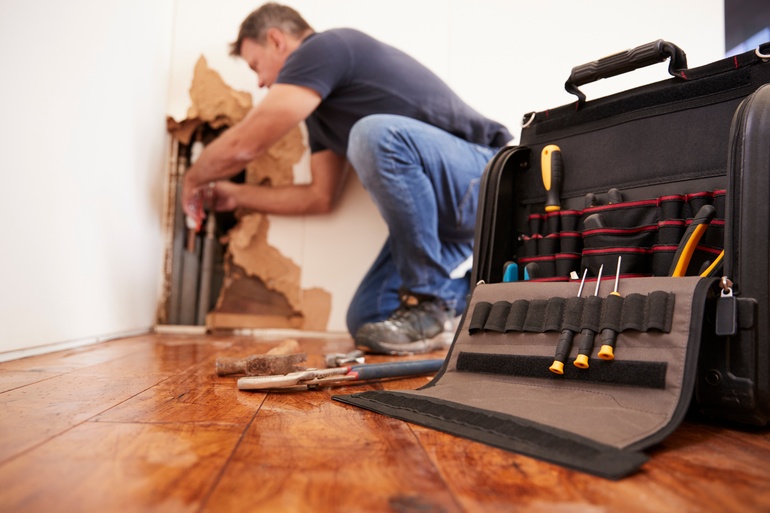
Dealing with a damaged home can feel overwhelming, but with the right plan and approach, you can restore your space and even improve it along the way. Whether the damage comes from storms, wear and tear, fire, flooding, or unexpected accidents, tackling repairs step by step helps you regain control over the process while saving both time and money. Patience and careful planning, along with these key tips, can help you fix up your damaged home and create a better, safer, and more comfortable home.
Use Quality Materials
When repairing your home, you might be tempted to choose cheapest materials to save money upfront, but this can lead to problems down the line. Investing in high-quality materials ensures that your fixes last longer and your home is better equipped to handle future wear and tear. For example, using durable roofing materials or water-resistant flooring in flood-prone areas can prevent recurring issues. While the upfront cost may be higher, quality materials reduce the need for frequent repairs and improve the long-term value and resilience of your home.
Know When To Repair or Replace
Not all home damage requires replacement—sometimes, repairs are more cost-effective. However, in certain cases, replacing damaged items or materials may save you more time and money in the long run. For example, if you use drywall in your space, it can end up damaged over time.
For instance, you may be wondering whether you should repair or replace the drywall that’s seen better days. When you know how to evaluate the extent of the damage, the lifespan of the materials, and the overall cost of repairing and replacing, you can make the right decision. Plus, you can always seek professional advice for large or complex decisions.
Tackle One Area at a Time
You might feel overwhelmed when your home needs multiple repairs, but trying to fix everything at once can lead to chaos. Break the process down by focusing on one room or section at a time. For example, prioritize essential spaces, such as the kitchen or bathroom, before moving on to other areas. This step-by-step approach helps you stay organized, reduces stress, and makes it easier to see measurable progress.
Protect Your Home From Future Damage
Once you’ve repaired your home, take preventive measures to protect it from future damage. For example, add weatherproofing to windows and doors, install proper drainage systems to prevent water buildup, and reinforce your roof to withstand storms. Regular maintenance, such as cleaning gutters, checking for leaks, and inspecting your home after severe weather, can help you catch small issues before they become major problems. Prevention is key to avoiding costly repairs down the road.
Fixing up your damaged home is no small task, but with the right plan and mindset, it’s entirely possible to restore your space, and even improve it. Remember, take it one step at a time, and don’t be afraid to ask for help when needed. With patience, organization, and attention to detail, you’ll soon have a space that’s safe, comfortable, and ready to enjoy once again.