
Navigating the road can be challenging under normal circumstances, but add extreme weather into the mix, and things can escalate quickly. From heavy rain to icy roads, each condition has its own challenges, requiring preparation and quick thinking. This guide offers practical, actionable tips for staying safe when driving in extreme weather, so you can confidently face anything the elements throw at you.
Rain and Flooding
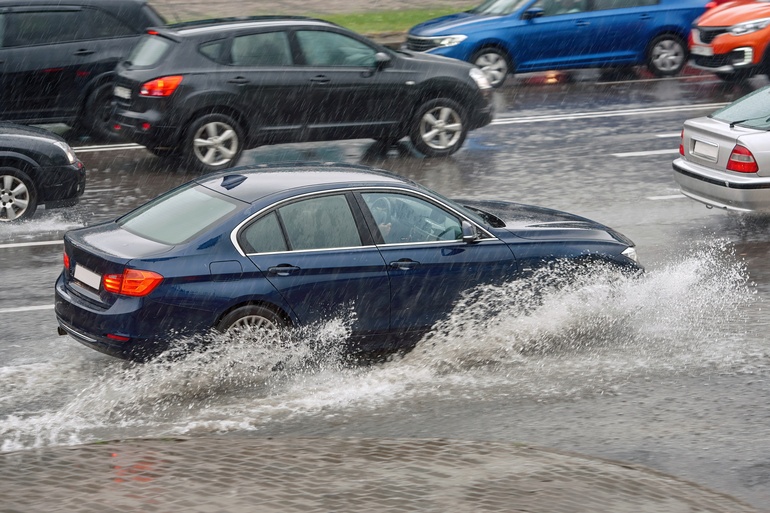
Driving in rainy conditions reduces visibility and increases the risk of hydroplaning. To stay safe, slow down to maintain better control of your car. Always leave extra room between your vehicle and the one ahead to allow more braking time. Use your headlights—not high beams—to improve visibility and help others see you.
If flooding occurs, avoid driving into standing water when you can’t gauge its depth. Even shallow water can cause loss of control or stall your engine.
Snow and Ice
Snow and ice are notorious for creating hazardous conditions. Make sure your tires are properly inflated and have enough tread for adequate grip. Accelerate and brake slowly to avoid skidding and always reduce your speed.
In the winter, you might struggle to start your car, and your spark plugs might be the culprit. Worn or poor-quality spark plugs can make it harder for your engine to ignite in freezing temperatures, leaving you stranded. Before the season hits, consider having your spark plugs inspected as part of your vehicle’s preparation.
Extreme Heat
While many focus on challenges like snow or rain, extreme heat can also impact driving conditions. Heat can strain your vehicle’s cooling system and tires. Before hitting the road, check your coolant levels to prevent overheating and inspect your tires for any inconsistencies. Driving in high temperatures can also mean slippery surfaces as asphalt softens slightly, so maintaining control of your vehicle is essential.
Visibility in Foggy Conditions
Driving through fog can be unnerving, and it’s one scenario where visibility is your greatest obstacle. Use low-beam headlights or, if equipped, fog lights to avoid the glare that high beams create. Stay focused, drive cautiously, and keep an eye on the road markers to maintain your lane position.
Strong Winds
Strong winds can make keeping your vehicle steady much harder. This is especially true for larger vehicles like trucks or vans. Grip your steering wheel firmly and drive slowly to maintain control. If you’re driving in open or exposed areas, such as highways or bridges, expect sudden gusts of wind and adjust accordingly.
Extreme weather shouldn’t take you off the road completely, but it does mean you’ll have to be extra cautious. When you experience difficult conditions, proper vehicle maintenance often makes all the difference—so don’t overlook essentials like spark plug health or tire tread. Planning ahead and adapting to conditions will go a long way toward staying safe when driving in extreme weather.