
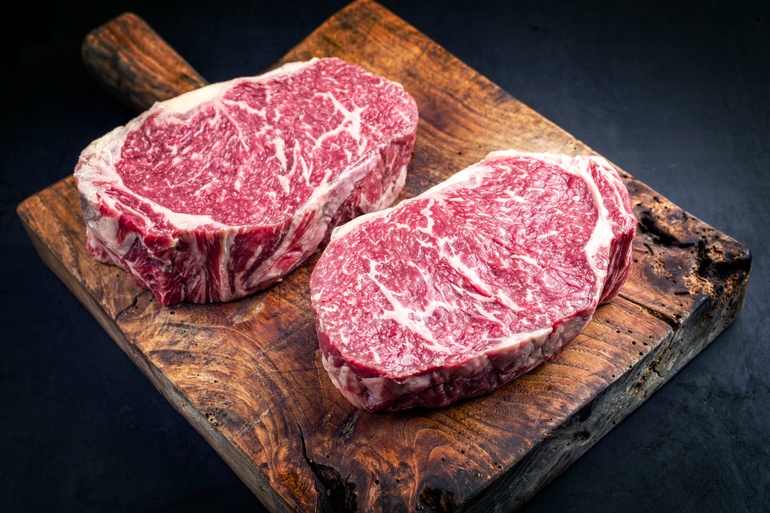
If you’re a steak lover, you know price tags can vary wildly from one cut to the next. Some steaks seem outrageously expensive, but there’s real reasoning behind the numbers. The most expensive steak cuts and why they cost so much often come down to rarity, the effort that goes into preparing them, and the amount of work that part of the cow actually does.
What Makes a Steak Cut Expensive?
The price of a premium steak reflects a combination of yield, location on the animal, and how much demand chefs and home cooks place on it. Cuts that come from low-activity muscles tend to be more tender, and tender cuts fetch higher prices. Add in limited supply (some cuts yield only a pound or two per whole animal), and you start to see why the bill climbs fast.
The Cuts Worth Knowing
A few steaks consistently top the price charts at butcher shops and restaurants:
- Wagyu beef (A5 Japanese grade) can run $200 or more per pound due to its extreme marbling and strict grading standards.
- Filet mignon stays expensive because each steer produces only a small tenderloin.
- Dry-aged ribeyes command a premium because aging reduces weight through moisture loss, meaning you pay for beef that essentially shrinks.
- Tomahawk ribeye carries a high price, partly for the dramatic long bone presentation and the thick, well-marbled cut attached to it.
- Spinalis ribeye cap earns its reputation as one of the most flavorful cuts on the animal.
The Cut That Surprises Most People
When steak lovers discover the spinalis ribeye cap, they rarely go back. This muscle wraps around the outside of the ribeye and delivers a buttery texture with a deep beefy flavor. Understanding why spinalis ribeye cap steak is so coveted comes down to how rare it is on each animal and the skill it takes to carve it out just right. Most grocery stores never carry it, so sourcing it usually means finding a specialty butcher or ordering online.
Does the Price Tag Justify the Plate?
For most people, expensive steaks are a rare splurge rather than a weekly routine. But when you invest in a quality cut and prepare it well, the difference in flavor and texture is hard to argue with. Restaurants charge steep prices for premium cuts because the cost of the raw ingredient leaves little room to negotiate.
So, the next time you get sticker shock at a steakhouse or butcher shop, just remember: the most expensive steak cuts and why they cost so much all come down to true scarcity, serious skill, and the kind of unforgettable flavor you only get from the best part of the cow.