
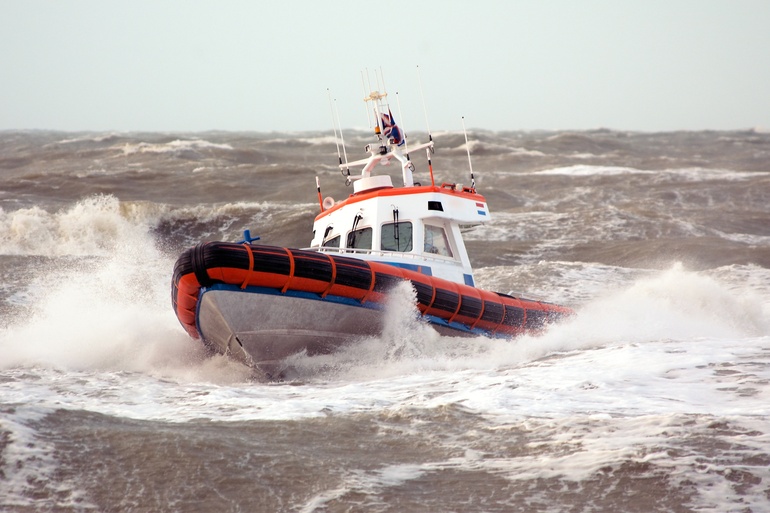
When emergencies occur on the water, your team needs a boat that can respond quickly, handle rough conditions, and support safe rescues from start to finish. The right rescue boat doesn’t just move people from one place to another. It gives your crew the control, space, and confidence they need when every second counts.
Choosing a rescue boat for your team takes more than picking the biggest model or the fastest engine. Your team needs a boat that fits your environment, your rescue calls, and the people who’ll operate it.
Know Your Water
Start with the water your team encounters most often. A rescue crew that works on calm lakes needs different equipment than a team that responds to flooded streets, swift rivers, coastal surf, or icy conditions. Shallow water may call for a flat-bottom boat with strong stability, while choppy open water may require a deeper hull and higher sides.
Think through your most common rescue situations. Your boat should match those calls first, then provide enough flexibility for less common emergencies. A poor fit can slow your crew or make rescues harder than they need to be.
Check Capacity
Your boat needs enough room for crew members, rescue gear, and the people your team may bring aboard. Don’t rely on passenger capacity alone. Stretchers, medical bags, throw bags, helmets, ropes, and flotation gear all take up space.
A crowded deck creates risks during a rescue. Your crew needs room to move, lift, stabilize, and communicate. Choose a layout that supports the way your team works under pressure.
Focus on Stability
Stability is critical during water rescues. Your crew may need to pull someone over the side, kneel near the edge, or shift weight quickly. A stable boat reduces the risk of tipping and provides rescuers with a more secure working platform.
Rescue boats have important features such as reinforced hulls, non-slip flooring, grab rails, and durable flotation materials. Look for details that help crews stay steady and focused in wet, fast-moving, or low-visibility conditions.
Review Power and Control
A rescue boat needs enough power to reach victims quickly, but speed shouldn’t come at the cost of control. Your team needs smooth handling around debris, docks, currents, and other boats.
Consider how easy the boat feels to steer, launch, recover, and maneuver in tight areas. A boat that performs well during training will serve your crew better during real calls.
Plan for Transport
Your team also needs to move the boat easily. Before you commit, check the trailer, storage needs, launch requirements, and vehicle compatibility. A great rescue boat won’t help much if your crew struggles to deploy it quickly.
Choose With Confidence
The best rescue boat supports your team’s real-world work. Match the boat to your water conditions, crew size, equipment, and response needs. When you choose with those priorities in mind, your team gains a safer, stronger tool for every call.