
Water can change the entire look and feel of your garden. It can pull your design together, give you a focal point and add depth and interest to make it feel like an intentional part of your home design, not an outside space attached to the building. Whether you choose to add a pond, a hot tub or an overground pool when the summer decides it’s going to grace the UK with its presence, water features are a great addition to most homes.
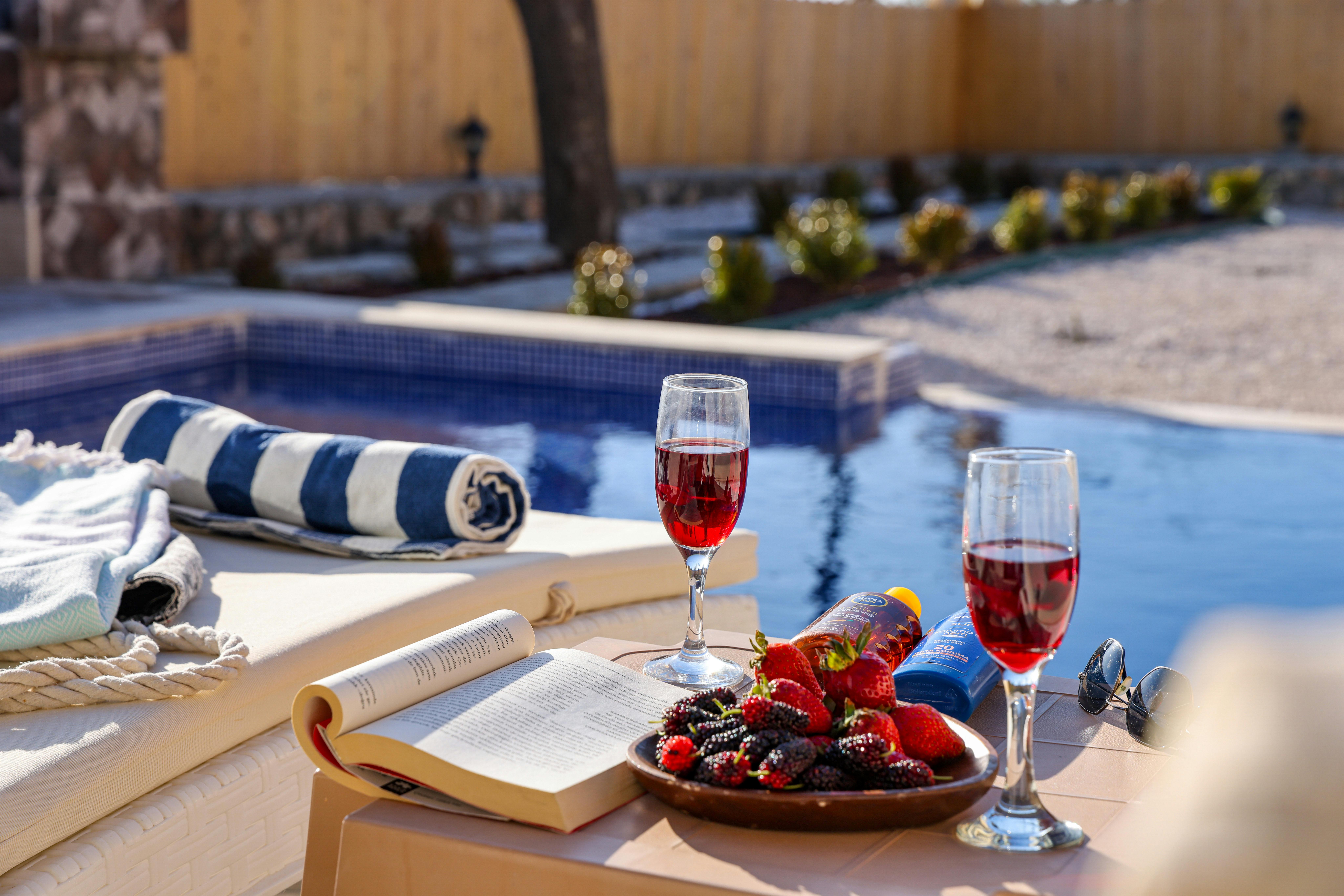
That is, until you realise that water features present a risk as soon as you add them. This is where water safety enters the picture. You need to build safety into the design and all the choices you make, so it’s not only a stunning feature to look at or use, but it’s also safe for all who live at home or visit your property.
Sightlines and Supervision
The safest water is the water you can actually see. This means you want to be able to see it from any angle in the garden, from the kitchen, or anywhere you have access to it. You need to be able to see who is in and around the water at all times — especially children and pets.
Tall planters or trellis can block direct view, so when you consider placement, make sure there is nothing impeding the view, and you have a good line of sight from multiple angles for those times when someone decides to ignore warnings and head out anyway. You need to be able to spot that danger without getting around obstructions.
The same goes for after dark, too — you need lighting on it so you can still see, no matter the time of day, especially if you don’t have anything blocking access.
Secure Boundaries
Water is less of a hazard when no one can access it unsupervised.
Some people might use planters as barriers or hedging to block access, but greenery doesn’t stop a determined toddler or a dog that needs its daily dip in the pool. You need a boundary that acts as a stop point and restricts access.
This is where you need pool fencing. It doesn’t always need to be an obvious security feature — pool fencing comes in many different styles and designs, but having a fence or lockable gates means you get to control who has access, and you automatically turn your water features into a safe space for anyone using the garden.
Slip-Resistant Surroundings
It’s not just being on or around the water features that is a danger; it’s also the surrounding areas, too. Decking gets slick, tiles become lethal when wet and artificial grass pools water in the wrong places. All it takes is one misplaced foot for a fun water-based afternoon to turn into a trip to A&E.
Water needs a place to go, and users need to feel safe moving around the area. Proper drainage is the best place to start. From here, surface texture helps a lot: anti-slip mats, rubberised edges, even rough stone around ponds create a border that helps. You don’t need to cover the garden in safety mats; you just need to make sure the parts that will be used frequently are.