
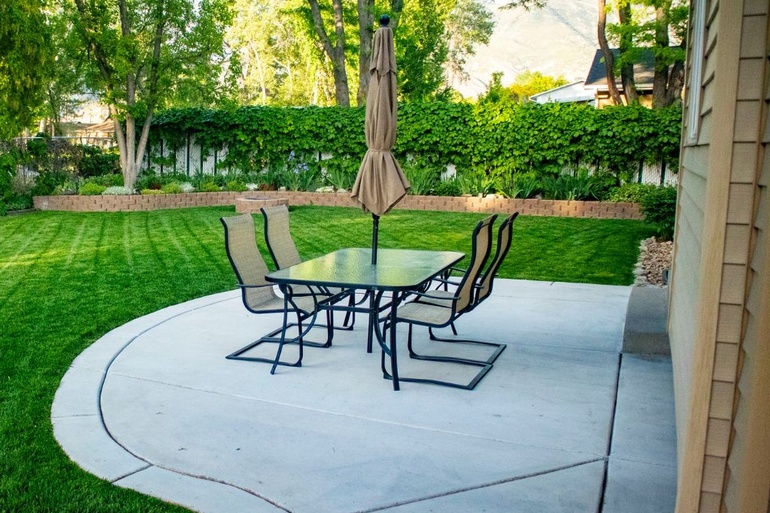
A patio can become one of the most welcoming parts of a home. It gives a family a place to share a simple supper, sip coffee in the morning light, or watch children play at the end of the day. Yet even a beautiful outdoor space can feel frustrating when furniture shifts, fades, wears out too soon, or never quite works the way a homeowner hoped.
Many common mistakes homeowners make with their patio furniture begin with good intentions. A set looks charming in a showroom, a sale feels too good to pass up, or a quick seasonal refresh seems simple enough. Then real life steps in. When homeowners know what to avoid, they can create an outdoor space that feels durable, comfortable, and truly lived in.
Choosing Design Over Functionality
One of the most common mistakes begins at the point of purchase. Homeowners see a style they love and stop there. While beauty matters, patio furniture should support the rhythm of daily life.
A young family may need wide, sturdy seating instead of delicate chairs with narrow arms. A homemaker who loves to host may need a dining table that wipes clean with ease. The most helpful question is not, “Does this look lovely?” It is, “Will this serve the way this home truly lives?” When furniture matches a family’s habits, the whole space feels more peaceful.
Ignoring Climate and Exposure
Outdoor furniture lives a harder life than indoor furniture. It faces heat, cold, moisture, direct sun, pollen, dirt, and seasonal storms. When homeowners ignore their climate, furniture can age much faster than they expect.
In sunny areas, fabric and finishes may fade. In damp regions, trapped moisture can cause mildew, warp wood, or rust vulnerable materials. In windy spaces, light pieces can shift or tip when the weather changes. Even a covered patio may still deal with humidity, dust, and blowing debris.
Before buying or arranging furniture, it helps to study the patio itself. Notice where the strongest sun falls in the afternoon. Watch which corner takes the hardest wind. Pay attention to where rain splashes in during a storm. That kind of simple observation can prevent expensive regret.
Buying the Wrong Size for the Space
Another common mistake homeowners make with their patio furniture is the size of the pieces. A patio should feel open enough to move through and grounded enough to feel inviting. Homeowners sometimes crowd a small area with oversized pieces, or they place furniture that feels too tiny for a broad, open yard.
Scale shapes the entire mood of an outdoor space. A bulky sectional on a compact patio can make the area feel cramped and restless. A table that is too small for the setting can seem lost and unfinished. Chairs placed too close together create tension, while chairs too far apart weaken conversation.
A better approach starts with function. Think about how people will walk, gather, eat, and rest there. Leave enough room to pull out chairs comfortably and carry food or drinks without squeezing through narrow paths. A patio should support calm movement, not constant adjustment.
Forgetting the Wind
Some homeowners think about rain and sun but forget to plan for wind. That can cause broken pieces, dirty cushions, toppled umbrellas, and endless rearranging. Wind does not just push furniture. It catches wide surfaces, loose covers, deep cushions, and tall pieces, then turns them into a problem.
Lightweight chairs may slide across stone. Stackable pieces may fall in a chain. Umbrellas can become unstable if the base is too light. Homeowners must learn how to prevent their patio furniture from blowing away, so their backyard doesn’t look like a disaster scene every time the wind picks up.
Neglecting Cushions and Fabrics
Soft cushions make a patio feel warm and welcoming, but they need more care than many homeowners expect. Some leave cushions outside day and night, even when the season turns humid or stormy. Others choose fabrics only for their color, then feel disappointed when they stain, fade, or hold moisture.
Outdoor textiles need regular attention. Cushions benefit from storage when they are not in use for long stretches. They also last longer when homeowners brush off debris, clean spills promptly, and let fabric dry fully before stacking or covering. This kind of simple care preserves both comfort and appearance.
Color choice matters too. Pale neutrals can look beautiful, but they may show dirt more quickly in a high-use family space. Darker tones may hide mess better, though they can absorb more heat in direct sun. The best choice balances beauty with the reality of daily use.
Using the Covers the Wrong Way
Furniture covers seem like a simple answer, but they can create their own set of problems if you use them carelessly. A cover that fits poorly may flap, collect moisture, or trap debris against the surface. In windy conditions, a loose cover can act like a sail and pull against the furniture instead of shielding it.
Homeowners should look for covers that fit closely and fasten securely. It also helps to remove or adjust covers during severe wind. Protection works best when it suits the conditions, not when it stays in place by default, no matter what the weather is doing.
Skipping Regular Maintenance
Homeowners can’t assume outdoor furniture will simply endure the seasons without attention. Even sturdy pieces benefit from gentle, regular care. Wood may need cleaning and periodic treatment to preserve its finish. Homeowners should check metal frames for scratches or chips that expose vulnerable spots. Wicker and woven surfaces need light cleaning so dirt does not settle into crevices.
Maintenance does not need to feel burdensome. A simple seasonal rhythm works well. At the start of spring, clean and inspect each piece. In the height of summer, wipe down high-use surfaces and wash fabrics as needed. Before fall storms or winter storage, secure, cover, or store what needs extra protection.
Treating the Patio as a Showpiece Instead of a Living Space
A lovely outdoor space should still welcome ordinary family life. It should make room for a toddler’s snack, a quiet evening conversation, a basket of laundry set down for a minute, or muddy shoes after backyard play. When homeowners release the pressure to create a picture-perfect setting, they tend to make better choices. They pick materials that clean up well, choose layouts that allow movement, and leave room for storage.
That kind of patio serves a household far better. It becomes an extension of the home itself—gracious, useful, and full of simple joy.
A Patio That Serves Family Life Well
Patio furniture should support the life a family is already living. It should welcome real meals, changing weather, and the little messes that come with a full home. When homeowners avoid rushing decisions and think carefully about climate, scale, comfort, and care, the patio becomes easier to maintain and more pleasant to use.
A well-kept outdoor space does not need to feel grand. It only needs to feel steady, inviting, and suit the home around it. That is what turns a patio into a true place of rest.