
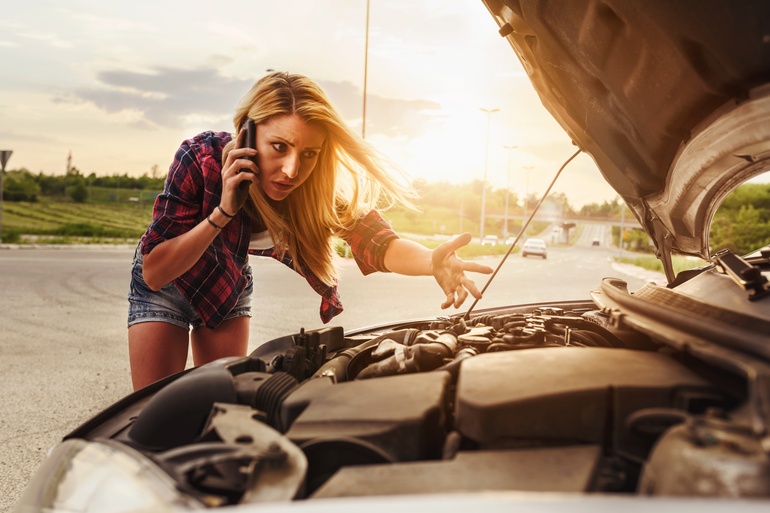
Heat and slow-moving traffic can push a vehicle harder than many owners realize. What summer traffic does to engine reliability begins with stress that builds under the hood. When a car spends more time creeping forward than moving freely, airflow drops while engine temperatures stay elevated. The combination makes cooling parts work harder for longer periods. As a result, small issues can turn into expensive problems faster than expected.
Heat Builds Faster Than Many Engines Can Shed It
Open roads help engines stay cooler because air moves through the radiator more consistently. In heavy summer traffic, that natural airflow drops off, so the cooling system must rely more heavily on fans and coolant circulation. Even then, rising outdoor temperatures make the job tougher. Once heat lingers under the hood, reliability can start slipping in ways that are easy to miss at first.
Idling and Crawling Put Extra Strain on Key Parts
Stop-and-go traffic may seem easier on a car than high-speed driving, but it creates its own kind of wear. Engines idle longer, move in short bursts, and repeat that cycle over and over, which keeps temperatures up without giving the vehicle much relief. Meanwhile, the transmission and battery continue to operate under the same hot conditions. Repeated strain can shorten the lifespan of parts already affected by age or neglect.
Weak Cooling Components Show Up Fast in Summer
A vehicle can seem perfectly fine until traffic exposes a cooling issue that has been building for months. Low coolant, a weak radiator fan, an aging hose, or a sticking thermostat may not cause obvious trouble on a mild day, yet summer congestion changes that quickly. That is exactly why it’s important to maintain your car’s cooling system. Once temperatures begin climbing in traffic, minor problems do not stay minor for long.
Fluids and Rubber Parts Take a Beating
Heat not only affects the engine block itself. All fluids that go into a car, from oil to transmission fluid, lose some of their protective strength when they’re old or low. At the same time, belts and hoses face repeated expansion and contraction in extreme temperatures. Eventually, those materials start wearing down in ways that make breakdowns more likely.
A dependable car in the hottest part of the year usually comes down to how well it handles strain when conditions are at their worst. The real effect of what summer traffic does to engine reliability shows up when heat, delay, and wear all start stacking together. Problems that stay quiet in mild weather can become much harder to ignore once the road slows down and temperatures stay high.