
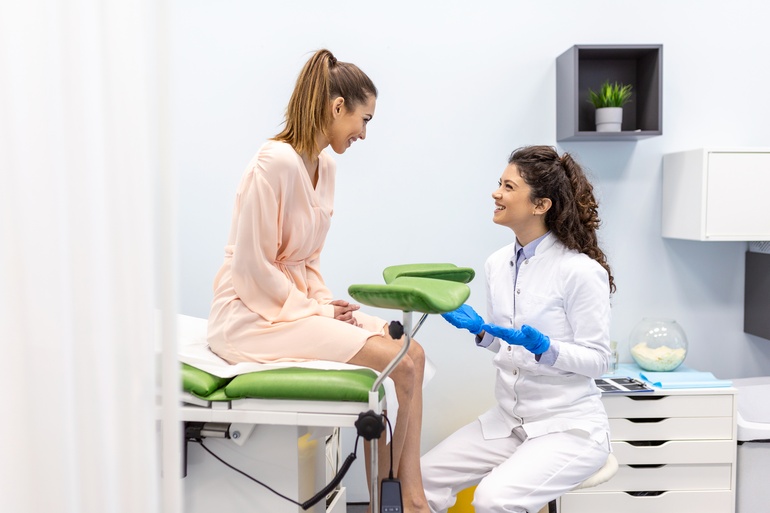
Gynecological exams can bring up a lot of nerves, even for patients who understand why the visit matters. Some people worry about discomfort, while others feel anxious about the unknown, past experiences, or loss of control during the appointment. A more comfortable exam starts with clear communication, thoughtful preparation, and a care team that treats the patient like a person, not a task on the schedule.
Comfort doesn’t mean avoiding the exam. It means creating an experience where patients feel heard, informed, and respected from the moment they walk in. These tips will help you improve comfort during gynecological exams.
Start With Conversation
A calm conversation before the exam can quickly reduce tension. Providers should explain each step in plain language and allow patients time to ask questions. Patients should feel comfortable sharing concerns, pain and trauma histories, mobility needs, or anxiety before the exam begins.
Simple choices can help patients feel more in control. A provider can ask whether the patient wants a support person in the room, prefers a specific position, or needs a break during the exam. These choices can change the tone of the visit.
Use Clear Signals
No one should feel surprised during a gynecological exam. Providers can explain what they’re going to do before they do it, then wait for the patient to feel ready. A clear pause signal also helps. Patients may want to use a word, raise a hand, or ask for a break if discomfort increases.
This approach builds trust. It also helps the provider adjust quickly instead of pushing through a moment that feels tense or painful.
Adjust the Exam Setup
The right setup can make a real difference. Warm rooms, soft lighting, proper draping, and a comfortable exam table can help patients relax. Providers should also use warm lubricant and warm instruments when possible.
During a pelvic exam, providers should choose the right speculum size based on the patient’s body, medical history, comfort level, and exam needs. A smaller or differently shaped speculum may reduce pressure for some patients. Providers can also slow down, adjust the angle, and check in often.
Support the Body
Patients can take steps to reduce physical tension. Slow breathing helps relax the pelvic floor. Unclenching the jaw, lowering the shoulders, and placing feet comfortably on the supports can also help. Some patients feel better when they keep socks on, listen to calming music, or focus on a steady object in the room.
Providers should watch body language as much as they listen to words. Tense muscles, held breath, or sudden movement can signal discomfort that needs attention.
Build Better Visits
A comfortable gynecological exam depends on teamwork. Patients deserve respect, patience, and clear explanations. Providers need time, empathy, and practical tools to support comfort throughout the visit.
When communication stays open, and each step feels intentional, the exam can feel less intimidating. Better comfort can help patients return for care with more confidence, stronger trust, and a clearer sense of control over their health.