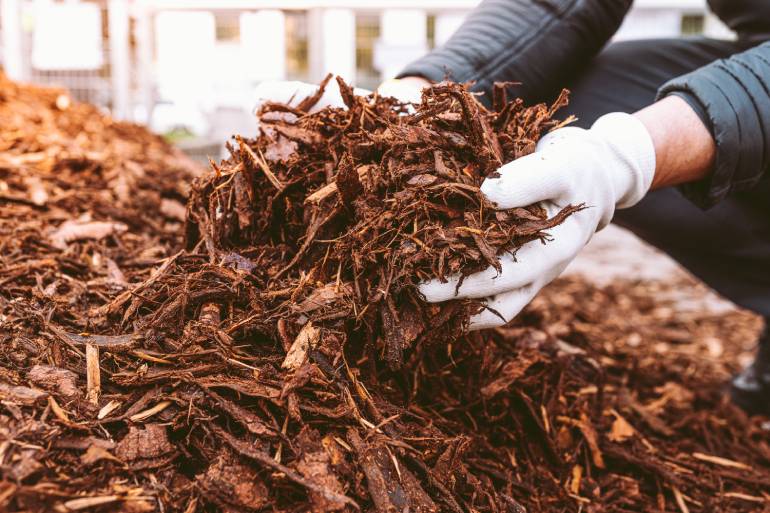
A healthy garden starts with good habits, and mulch deserves a spot near the top of that list. Mulch helps soil stay moist, and gives planting beds a neat, finished look. A little knowledge goes a long way, though, because the wrong approach can create problems instead of benefits. If you’re ready to help your plants thrive, use these tips for properly using mulch in your garden and give your landscape a fresh upgrade.
Choose the Right Type of Mulch
Not all mulch serves the same purpose. Organic options such as pine bark, wood chips, pine straw, and shredded leaves break down over time and add nutrients to the soil. In flower beds and around fruit trees, these materials fit naturally into the landscape.
Decorative stone has its place, too, though it won’t enrich the soil as organic materials do. Think about the plants in each area before you spread anything. Fruit trees, berry bushes, and ornamental plants typically benefit from organic mulch that gradually decomposes.
Apply the Correct Depth
More mulch doesn’t always lead to better results. A layer about two to four inches deep usually works well in most garden beds. Thin coverage allows weeds to push through, while a thick blanket can trap excess moisture and limit airflow.
Picture mulch as a protective jacket for your soil. It should provide coverage without smothering the ground beneath it. Ensuring proper mulch coverage is one of the best ways to create a low-maintenance edible garden, too.
Keep Mulch Away From Plant Stems and Trunks
One of the most common mistakes appears around trees and shrubs. Some gardeners pile mulch directly against trunks. That mound traps moisture against the bark and may invite disease, insects, or decay. Leave a few inches of space around the base of plants. The mulch can still protect the root zone without creating unwanted stress.
Use Mulch to Reduce Water Loss
Summer heat can dry out garden beds faster than many homeowners expect. Mulch helps slow evaporation, allowing soil to stay moist for longer periods. That benefit can reduce the frequency of watering and help plants stay healthier during hot weather.
Your fruit trees, berry bushes, and vegetable gardens will appreciate this extra layer of protection. The soil remains cooler and more stable throughout the season.
With the right material, proper depth, and routine upkeep, mulch can become one of the most useful tools in your landscape. Your plants gain protection, your garden looks cleaner, and daily maintenance becomes easier. Take a look at your planting beds today and put these tips for properly using mulch in your garden into practice.