
Does your home ever feel more chaotic than calm? In our hyper-connected world, it’s easy for the line between outside stress and home comfort to blur. Between the constant hum of appliances, the bright glare of screens, and those piles of mail on the counter, you can feel totally overwhelmed in the one place you’re supposed to relax. This feeling signals sensory overload, when your brain is struggling to process all the information from your surroundings. The good news is you can design your space to be a soothing retreat.

Creating a calm home isn’t about expensive renovations or going minimalist. It’s about making small, thoughtful choices that reduce unnecessary sensory input, letting your nervous system rest. When you pay attention to what overwhelms you and make simple adjustments, you can turn your home into a genuine sanctuary.
Identify Your Sensory Triggers
To start making your home calmer, first figure out what specifically puts your senses on edge. This requires a bit of self-awareness. For some, it’s the constant background noise of the television or the low hum of the refrigerator. For others, it might be the harsh glare of an overhead light or the visual mess of a cluttered room. Even smells from artificial air fresheners or the texture of a scratchy blanket can be culprits. Take a moment to think about what parts of your home make you feel tense or distracted, then learn how to manage sensory overload can offer helpful tips for when you feel overwhelmed.
Sometimes, being extra sensitive has a physical reason. For example, visual discomfort in busy places isn’t always just about bright lights. It can be linked to how your eyes work together to process information, a condition called binocular vision dysfunction (BVD), which can make patterns and movement feel disorienting. Pay attention to how you personally react to sound, sight, smell, and touch to pinpoint your unique triggers.
Declutter for Visual Harmony
Every object you see sends a signal to your brain, and too many signals create mental noise that can increase stress. Clearing this clutter literally gives your mind less to process. You don’t have to become a minimalist, but getting rid of unnecessary items can really change your home’s vibe.
A great way to start is by creating a sensory-friendly environment through smart organization. Use decorative baskets and bins to hide items you need but don’t want to see. Try a “one in, one out” rule for new purchases to keep clutter from piling up. Giving everything a specific spot, from keys to mail, makes tidying simpler and keeps visual distractions to a minimum.
Smart Lighting Choices for Comfort
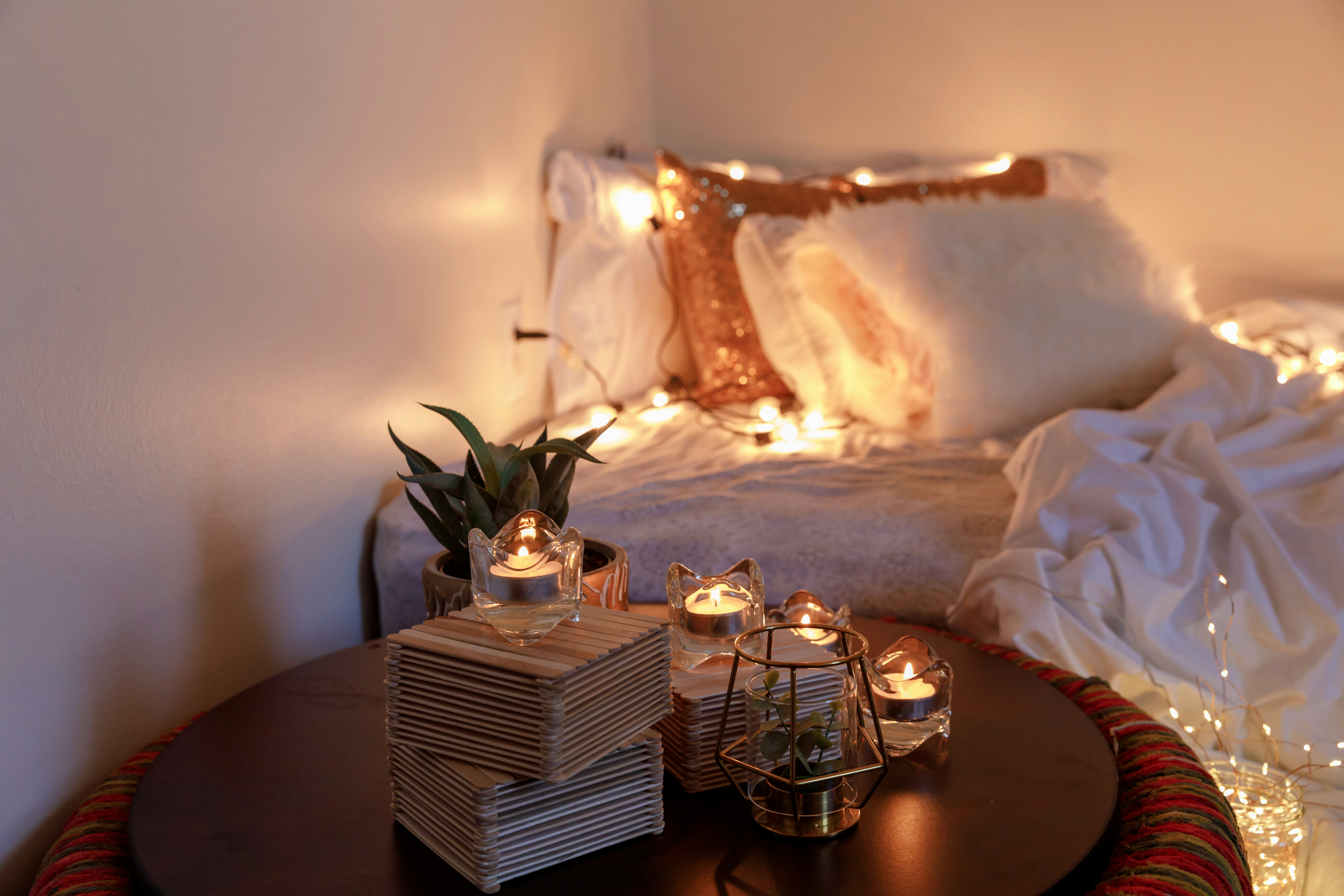
Lighting really affects our mood and energy. Whenever possible, maximize the natural light in your home by keeping windows clean and using sheer curtains. For artificial light, harsh, bright overhead lights can feel clinical and agitating, while soft, warm light helps you relax. The trick is to use layered lighting. Instead of just one ceiling fixture, mix in floor lamps, table lamps, and accent lights. This lets you adjust the room’s brightness and mood throughout the day.
Installing dimmer switches is a simple upgrade that pays off big time in comfort. When picking light bulbs, go for ones with a “warm white” glow (around 2700K). This warmer color is easier on the eyes than the cool, blue-toned light of “daylight” bulbs and helps signal to your brain that it’s time to wind down.
Soundproofing and Acoustic Solutions
A quiet home instantly feels more peaceful. Although full soundproofing can be a huge project, there are lots of easy ways to quiet things down. Soft materials are your best friends for soaking up sound. These things stop sound from bouncing around the room, reducing echo and making things feel cozier.
Bookshelves packed with books are also fantastic at diffusing sound. For more persistent noise, consider adding weatherstripping to doors and windows. Simple acoustic improvements can support cultivating calm in your home by making your living space feel quieter and less distracting. If you’re super sensitive to noise, a white noise machine can help mask disruptive sounds from outside.
Visual Stress and Daily Life
Certain visual elements can contribute to feelings of overwhelm, even when your home isn’t particularly cluttered. Busy patterns, clashing colors, and even the constant flicker of a TV screen can cause low-level visual stress. When choosing decor, lean towards a more unified and calming color palette.
Soft neutrals, muted blues, and gentle greens are known for their soothing effect. This doesn’t mean your home has to be boring; you can add visual interest through texture rather than jarring patterns. Also, be mindful of screen time, and create tech-free zones or times to give your eyes and brain a break.
Incorporating Soothing Scents and Textures
Our sense of smell and touch are powerfully linked to our emotions. Engaging them thoughtfully can transform your home’s atmosphere. An essential oil diffuser with calming scents like lavender or chamomile can work wonders. You can also use scented candles made from natural waxes like soy or beeswax. Even simmering water with cinnamon sticks and orange peels on the stove can create a welcoming, gentle fragrance.
For touch, introduce a variety of pleasing textures. Think of a soft fleece blanket, a smooth velvet cushion, a cool linen sheet, or a warm wooden table. Having these tactile elements around invites you to slow down and ground yourself in the moment.
Your Home as a Sanctuary
Every choice, from the feel of your towels to the scent of a candle, adds to the overall sensory experience. It’s a personal journey of figuring out what brings you comfort and what causes stress. Start with the one thing that bothers you most, whether it’s the pile of shoes by the door or that flickering fluorescent light in the kitchen. Each small adjustment you make is a step toward creating a home that supports your well-being, with a few thoughtful touches helping to create a comforting sanctuary that feels truly your own.