
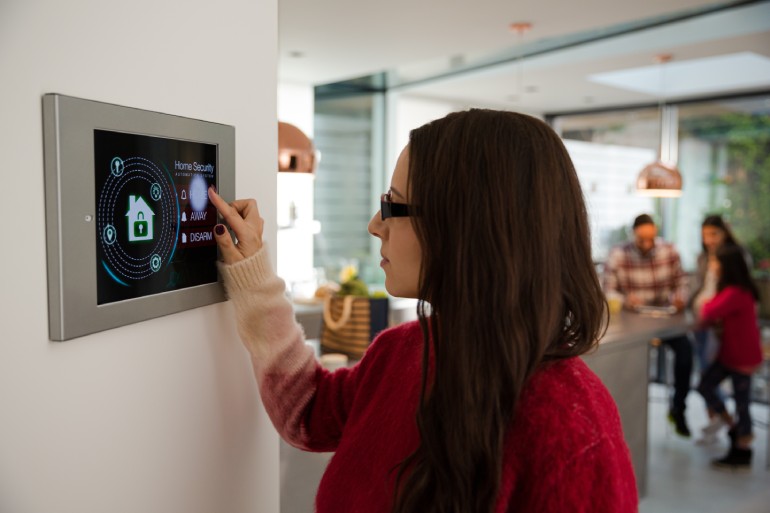
Our homes provide us with comfort, security, and a sanctuary from the outside world. However, you may need to do more than install a home security system to ensure your home stays a haven. Consider these simple, yet effective tips for improving the safety of your home. A little bit of work can go a long way in making your home safer, significantly reducing the risk of accidents and incidents.
Secure Rugs and Carpets
Loose rugs and carpets can lead to trips and falls, especially in busy areas of the home, such as living rooms, hallways, and kitchens. Make sure to secure all rugs and carpets with non-slip pads or double-sided tape to prevent these mishaps. Pay attention to the edges, as they are often the most likely to curl up and cause accidents. Additionally, consider choosing rugs with low profiles that are less likely to catch on shoes, further reducing the risk of accidents.
Eliminate Trip Hazards
You must eliminate trip hazards if you want to make your home safer. Clear your hallways of loose items, such as kids’ toys, and take the time to inspect your home for any cracks, bumps, or warped flooring. Invest in concrete raising after identifying your flooring problems, if necessary. The biggest reason why you need to invest in concrete raising and leveling for your home is that it will make your home much safer. An even floor will greatly reduce the risk of accidents and ensure you can navigate your home safely.
Check for Fire Hazards
Conducting regular home inspections to identify any potential fire hazards that could pose a risk to you and your loved ones is vital. Look for issues such as faulty wiring, which can lead to electrical fires, and avoid overloading electrical outlets, as this can create sparks and overheating. Additionally, make sure that flammable materials, such as paper, cloth, or cleaning supplies, are away from heat sources such as stoves, heaters, or fireplaces. You can minimize fire risks and keep your home safer when you look for, spot, and immediately address these issues.
Keep Emergency Numbers Handy
Having important phone numbers readily accessible can truly make a significant difference in response time and effectiveness in emergencies. Create a comprehensive list of emergency contacts, including:
- Local hospitals
- Poison control centers
- Fire departments
- Important friends or family
Keep this list in a visible location near your phone, or program the numbers directly into your cell phone for immediate access during emergencies. You might also want to consider creating a small emergency contact card that you keep in your wallet, bag, or somewhere your child can easily access.
Consider taking these simple, yet effective tips for improving the safety of your home for yourself and your family. Your home should be a place where you feel safe and secure, and you can achieve this by implementing these tips.


