
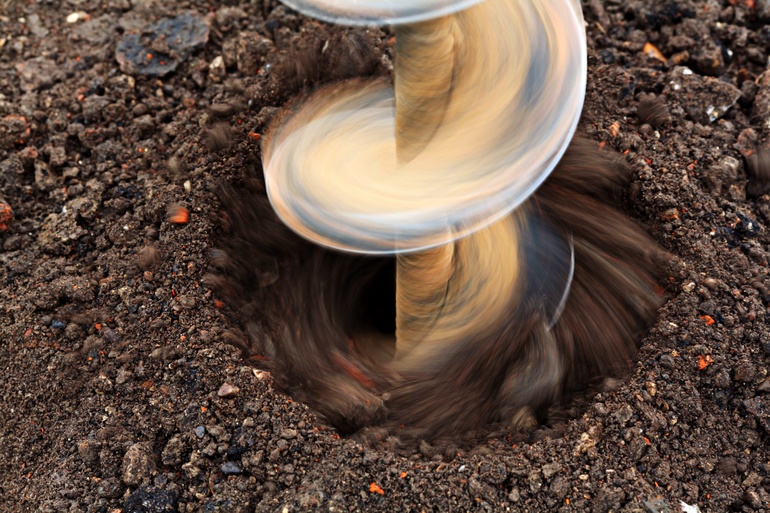
Drilling into the ground may look simple at first, as the machine appears to push straight down with little effort. In reality, crews face constant challenges once the drill reaches different layers below the surface and begins interacting with unpredictable underground conditions.
Understanding what makes drilling into the earth so complicated explains why some projects move quickly while others face delays almost immediately after work begins. Even though the surface often appears stable and harmless, the ground beneath can force crews to change their plans at any time during the operation.
The Ground Changes Without Warning
Crews almost never drill through one consistent material from start to finish. A project may begin in loose soil before suddenly encountering dense clay or even solid rock, requiring a completely different drilling approach.
Each layer changes how the drill performs and how much force operators must apply to continue making progress safely. When conditions shift unexpectedly, crews must react quickly to avoid delays that could affect the entire construction or excavation schedule.
Moisture Makes the Job Harder
Water drastically affects drilling conditions by altering how soil behaves during excavation and drilling. Dry soil can collapse too easily, creating unstable walls inside the hole, while wet soil often sticks to the drilling tool, slowing material removal.
Because of this, crews study drainage patterns, groundwater levels, and recent weather conditions before drilling begins at a site. They also monitor soil conditions throughout the project because underground moisture can create sudden failures that threaten both equipment performance and worker safety.
The Tool Has To Match the Job
Crews cannot rely on a single drilling setup for every project, as different ground conditions require different tools and excavation methods. A tool designed to collect soil samples may fail during heavy excavation work because it cannot withstand the same level of resistance or pressure underground.
Understanding how augers are used in mining and excavation helps explain why tool design matters so much during drilling operations in difficult environments. The right equipment improves control, removes material more efficiently, reduces stress on the machine, and helps crews maintain safer working conditions.
Pressure Builds Below the Surface
As the drill moves deeper into the earth, the surrounding ground exerts greater resistance and pressure on the equipment. Operators must apply sufficient force to continue drilling without exceeding safe operating limits. Too much pressure can overheat parts or even break the tool before the job is complete.
Successful drilling depends on careful control and operator experience rather than raw power alone. Forcing the equipment too aggressively can quickly turn a manageable project into a costly and dangerous situation.
Looking closely at what makes drilling into the earth so complicated reveals how much planning, adjustment, and technical knowledge each project requires from beginning to end. The drilling machine may do the visible work above ground, but the underground conditions ultimately determine how the job unfolds.