
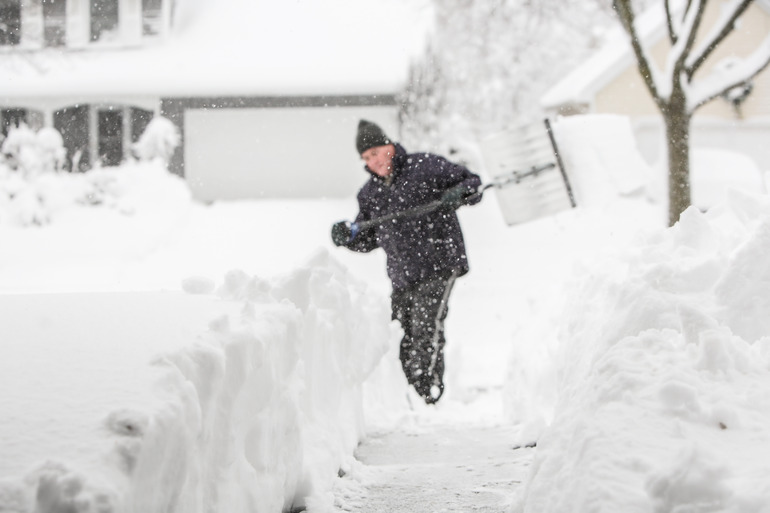
After a big snowfall, the world may look serene, but it can hide several safety risks if precautions aren’t taken. Whether you’re commuting, clearing snow, or simply trying to stay safe at home, certain steps can help you ride out the situation safely. Keep reading as we highlight several safety considerations after a big snowfall.
Keep Walkways Clear To Avoid Accidents
Snow-covered walkways are a major cause of injuries during winter. Shoveling walkways and driveways promptly is essential to prevent slips and falls, especially when they refreeze overnight.
Use deicer or sand to make surfaces less slippery. There’s studies that show 1 in 10 slip-and-fall injuries during winter require a hospital visit, so don’t underestimate the importance of maintaining clear paths.
Prioritize Roof Maintenance To Avoid Damage
Heavy snow accumulation on roofs can lead to severe structural issues or even roof collapses. Experts suggest removing snow from your roof once it exceeds six inches.
Use a roof rake with an extendable handle to safely clear it while standing on the ground. If climbing onto the roof is necessary, consider hiring a professional instead of risking an accident.
Watch for Ice Dams and Act Quickly
Ice dams—thick ridges of ice that form at the roof’s edge—are a hidden danger associated with snowstorms. They occur when melting snow refreezes at the edge of your roof, blocking additional runoff. This can force water under shingles and into your home, causing leaks and even mold growth.
To prevent this, make sure your gutters and downspouts are clear before a snowfall. If an ice dam forms, address it as soon as possible by using calcium chloride or calling a professional for safe removal.
Safeguard Against Carbon Monoxide Poisoning
Snowfall can obstruct essential vents and exhaust systems, leading to dangerous carbon monoxide buildup in your home. Make sure furnace vents, dryer vents, and car exhaust pipes are clear of snow. Blocked vents are a common cause of carbon monoxide poisoning—a situation that could land you in the local ER.
Drive Safely During Hazardous Winter Conditions
Winter roads require extra caution. After snowfall, black ice and packed snow can create challenges even for experienced drivers. Reduce your speed, increase your following distance, and avoid abrupt braking or accelerating.
If your area is prone to heavy snow, consider investing in winter tires, which improve traction and stability. A lot of weather-related crashes happen during snowy or icy conditions, underscoring the need for extra vigilance.
Understand the Dangers of Snowplows
While snowplows help make roads drivable, they come with hidden hazards. Large snowplows have reduced visibility, and their size can make it hard for drivers to spot smaller vehicles or pedestrians nearby. Avoid tailgating snowplows and maintain a safe following distance to stay out of their blind spots.
Acting swiftly after heavy snowfall and taking these safety considerations seriously can help you avoid accidents and protect your assets. Clearing walkways, maintaining roofs, addressing ice dams, and practicing safe road habits can prevent avoidable mishaps and costly damages.