
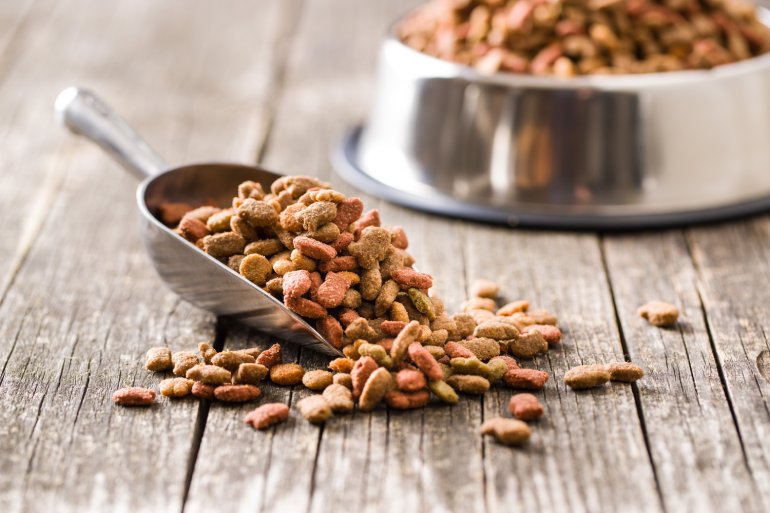
If you’re passionate about creating high-quality food for pets and want to transform that love into a business, now is a great time to start. Specialty pet food businesses are carving out a popular niche by catering to pet parents who want the best for their furry friends. From identifying your focus to making important production decisions, these tips for starting a specialty pet food business can guide your path.
Identify Your Specialty Focus
Many customers seek products for specific diets, such as grain-free, organic, or high-protein. With this in mind, think about what sets your business apart from the competition. Are you targeting dogs, cats, or both? Will you focus on treats, full meals, or dietary supplements? Knowing your niche helps you design recipes that cater to unmet needs in the market.
Explore Fresh vs. Freeze-Dried Pet Food
The choice between fresh and freeze-dried pet food plays into both nutritional benefits and convenience. Fresh food is often refrigerated or frozen and mimics the kind of meals pet owners might cook at home. Freeze-dried pet food, on the other hand, locks in nutrients during the dehydration process while removing moisture. It’s shelf-stable, portable, and easy to prepare.
Your decision on which type of product to sell will depend on your production capacity, available storage, and your target market’s preference. If you’re leaning toward freeze-dried food, learn how to choose the best freeze dryer to ensure you select the right equipment for your needs. If you prefer fresh food, commit to high-quality ingredients from reliable suppliers of organic proteins, vegetables, and grains.
Utilize Small-Batch Testing Before Full Launches
Before rolling out products, doing small-batch testing is an excellent tip for starting a specialty pet food business. The testing allows you to refine your product. For example, you could distribute samples to a group of pet owners and collect their feedback on texture, packaging, and their pet’s reaction. You can use that feedback to identify potential issues without committing valuable resources prematurely.
Moreover, testing is an opportunity to gauge demand and understand how customers perceive your product. If you discover that a particular flavor resonates well, you can confidently expand production. Overall, this measured approach ensures quality control and keeps production aligned with real market needs, reducing the risk of wasted time and materials.
Create a Memorable Brand
Your branding should immediately communicate what makes your business special. A catchy name, professional logo, and visually appealing packaging help set the tone. Consider what kind of emotions you want your branding to evoke. Whether it’s trust in your product’s safety or joy in treating beloved pets, your packaging and design should reflect these feelings.
Highlighting your unique selling points on your labels can also make a positive impression. For example, small-batch production, local sourcing, or grain-free options can resonate with many buyers.


