
A cooler home starts with controlling the heat that reaches it, especially through sun-facing windows. Air conditioning can lower the temperature, but it also works harder when sunlight keeps warming glass, floors and furniture throughout the day.
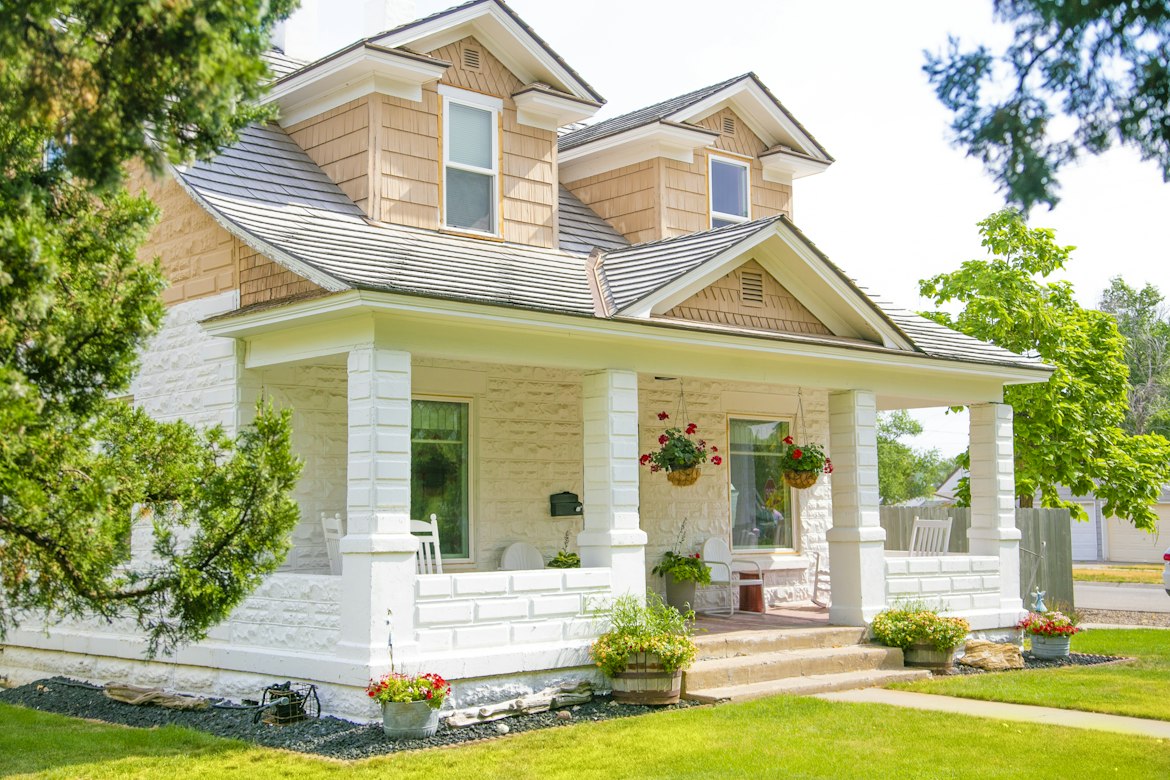
A mix of exterior shade, sensible ventilation and a few targeted upgrades can keep indoor spaces comfortable while reducing energy use.
Stop Solar Heat Before It Hits Glass
Direct sunlight passes through uncovered windows and warms the surfaces inside a room. Those surfaces then release heat back into the space, which explains why a sunny living room can stay hot long after the sun moves away.
Block that sunlight outside whenever possible. Sustainable design guidance on passive cooling strategies supports using external shading and thoughtful ventilation to manage indoor temperatures. Start with the windows that receive strong afternoon sun, since west-facing glass often creates the most noticeable heat gain. Exterior screens, leafy plants and deep roof overhangs can all help. Inside, close curtains or blinds before direct sunlight reaches the glass instead of waiting until the room already feels warm.
Exterior Solutions Make the Biggest Impact
Outdoor window coverings intercept solar heat before it enters the home. If a room regularly becomes uncomfortable between midday and early evening, fitted awnings can shade the glass while still allowing useful daylight and airflow. Retractable designs also give you more control through the seasons, providing shade during summer and letting warming sunlight enter during cooler months.
Measure the window area carefully and watch the sun’s path before choosing a solution. A covering should extend far enough to shade the whole pane during the hottest hours. Also consider wind exposure, mounting points and how easily the covering can be adjusted. For renters, removable exterior shade cloth or balcony screening may offer a practical alternative, subject to property rules and safe installation.
Strategic Airflow and Shading Tactics
Open windows when the outdoor air is cooler than the air inside, usually early in the morning and later at night. Create cross-ventilation by opening windows or doors on opposite sides of the home, then use a fan to move cooler air through rooms that lack a direct breeze. During the hottest part of the day, close windows if the outside air is warmer.
Shade also matters beyond the windows. A pergola, covered patio or well-positioned deciduous tree can reduce heat around an exterior wall. The American Lung Association’s home heat protection tips also recommend closing shades during peak sunlight and using fans carefully. Ceiling fans should rotate counterclockwise in summer so they push air downward, helping people feel cooler without changing the room’s actual temperature.
Smart Upgrades for Long-Term Savings
Check for small air leaks around window frames, doors and utility openings. Weatherstripping and sealant can stop cooled indoor air escaping, while roof and wall insulation slow heat transfer into the home. If the attic becomes extremely hot, ask a qualified professional to assess ventilation and insulation levels together, since changing one can affect the other.
Light-colored roofing and exterior finishes can reflect more solar energy than dark surfaces. Window films or energy-efficient glazing may also suit panes where exterior coverings aren’t practical. Before investing, track which rooms heat up, when it happens and how long they stay warm. This simple record helps you direct money toward the real trouble spots instead of upgrading every window.
Set fans, shades and window coverings around your home’s daily sun pattern, then reserve air conditioning for the hours when passive cooling can’t keep up. The result should be a home that feels steadier and more comfortable, even on a hot afternoon.