
A living room can have comfortable furniture and efficient heating yet still feel cold, uninviting, or disconnected. Without a natural focal point, family gatherings can lack the warmth and intimacy that make people want to linger. Creating a welcoming hearth-centered space can transform ordinary evenings into more relaxing moments, and the right heating, layout, and lighting choices can make all the difference.
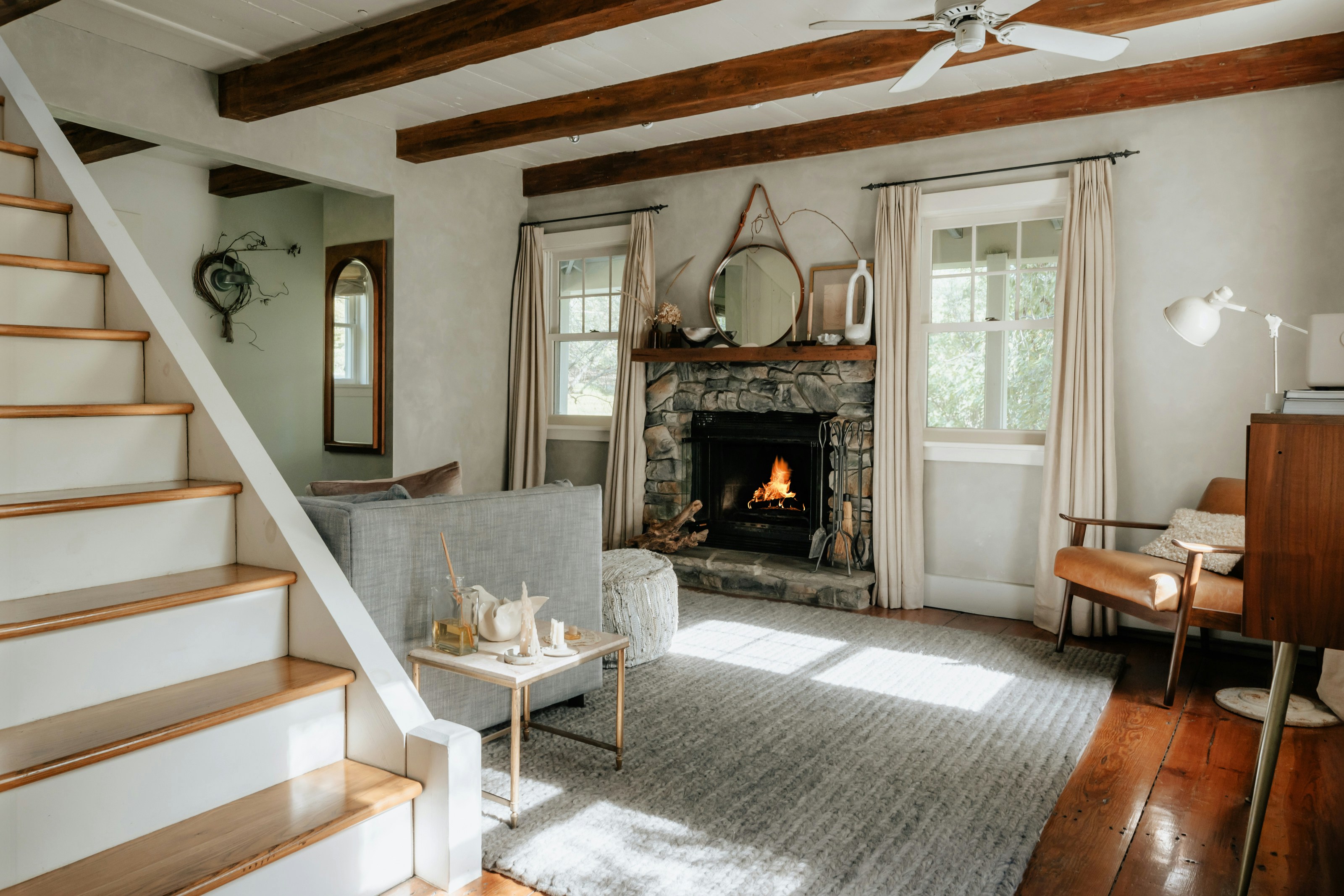
The Psychology of Warm Gathering Spaces
People tend to gather around a visible source of warmth. Long before the modern living room existed, the hearth served as the practical and social center of the home. This history of the hearth shows how cooking, heating, and daily family life once shared the same central space.
That instinct still shapes how a room feels. A sofa angled toward a hearth creates a stronger sense of intimacy than seating arranged around an empty wall. To support conversation, place chairs within easy speaking distance and keep the space between them clear. Natural textures such as wool, timber and stone can reinforce the welcoming mood without making the room feel themed or old-fashioned.
Moving Away from Hidden Central Vents
Central heating vents deliver warmth quietly, but they rarely contribute much to the identity of a room. A visible heater can become part of the floor plan, giving the eye a place to settle and making chilly evenings feel more inviting. A fireplace can also serve as a striking living room focal point, adding visual interest while creating a natural center for the surrounding furniture and décor.
Homeowners considering wood heaters should start with professional advice on sizing, placement, installation, and servicing. A unit that’s too large may make a compact room uncomfortable, while an undersized model may struggle to heat the intended area. The layout matters too. Keep major walkways open and consider how warmth will move toward nearby rooms. Local installation rules and manufacturer clearances should guide every decision before furniture or finishes are selected.
Integrating Clean Wood Heaters into Floor Plans
Successful integration starts during the planning stage. Sketch the room’s doors, windows, seating, and circulation paths, then identify a position where the heater can warm occupied areas without dominating them. In an open-plan home, that may be near the boundary between the lounge and dining area. In a smaller room, a corner position can preserve valuable wall space.
The development of domestic chimneys also changed how homes were divided and used, as this account of chimneys and social change explains. Today, flue routes still affect room layouts. Ask an installer to assess the full path early, including the ceiling and roof. Choose an appropriately certified model and follow local requirements for emissions, hearth construction, and clearances.
Curating Ambient Lighting Around the Hearth
Lighting should support the hearth without competing with its natural glow. Start with a dimmable ceiling fixture or recessed lights for general visibility, then add lower lamps at the edges of the seating area. Warm-white bulbs, generally around 2700K, create a softer effect that suits timber, brick and stone.
Avoid placing a bright downlight directly above the heater, where glare can flatten the materials and make the area feel harsh. Wall lights on either side can frame the feature, while a shaded floor lamp beside a reading chair provides useful task lighting. Keep electrical cords away from hot surfaces and required clearance zones. Once evening arrives, dim the overhead layer first and let the smaller lights define the room.
The most appealing hearth spaces feel settled even when no one is sitting beside them. A comfortable chair, a softly lit wall, and enough open space to move safely can turn a functional source of warmth into the place where the household naturally ends its day.