Summer heat often builds indoors long before the air outside reaches its highest temperature. Sunlit windows, poor airflow and heat-storing furnishings can leave a room uncomfortable well into the evening.
Air conditioning may provide quick relief, but it can also increase household energy use. A few targeted changes can keep your living spaces cooler, make warm days more manageable and reduce the amount of mechanical cooling your family needs.
Identify Your Home’s Worst Solar Traps
Start by checking each room at several points during a sunny day. Notice which windows receive direct light, when the floor begins to feel warm and how long the heat remains after sunset. West-facing glass is often a problem because it catches strong afternoon sun, while skylights can bring concentrated heat into upper floors.
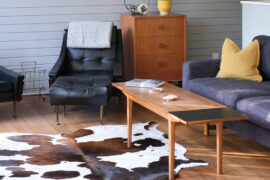
The guidance on passive cooling recommends limiting unwanted summer heat before it enters the home. Exterior awnings, shade sails and leafy plants can all help. Keep plants far enough from the building to allow maintenance and airflow. Inside, move dark furniture away from sunny windows since darker surfaces absorb heat and release it slowly.
Harnessing Cross Ventilation Strategies
Cross ventilation works best when air has a clear entrance and exit. Open windows or doors on opposite sides of the home, then keep internal doors open so the breeze can travel between them. If possible, open a lower window on the cooler side and a higher one elsewhere. Warm air rises, so the height difference can encourage it to escape.
Timing matters too. Close windows once outdoor temperatures climb above indoor temperatures, then reopen them in the evening. A portable fan facing outward through the warmest room’s window can push hot air outside. For more ideas on managing indoor airflow, read these practical ways to improve ventilation.
Blocking Radiant Heat at the Glass Surface
Windows can admit significant radiant heat even when the room itself is closed and well sealed. Exterior shading usually delivers the strongest protection because it intercepts sunlight before it reaches the glass. However, fixed awnings may not suit every window, apartment or architectural style.
Applied films offer another option. For Gold Coast homeowners with rooms that overheat through exposed glass, professional window tinting can help address comfort, privacy and energy efficiency without blocking the window completely. Before choosing a film, consider how much daylight you want to retain and whether glare or fading is also a concern. Check the window manufacturer’s conditions too, particularly for insulated glass units that may have specific film requirements.
Rethinking Heavy Drapery in Warmer Months
Thick curtains can block sunlight, but they may also restrict airflow and hold warm air beside the glass. During summer, consider switching to layered coverings that give you more control. A light-colored blind can reflect some incoming sun, while breathable curtains soften the room without making it feel closed in.
Close coverings before direct sunlight reaches the window, not after the room has already warmed up. When the sun moves away, open them to release trapped heat. This seasonal adjustment fits well with broader passive design strategies that respond to sun direction, shade and natural airflow. Store heavy winter curtains clean and dry so they’re ready when cooler weather returns.
Long-Term Energy Savings for Families
Track when your home becomes hot and which cooling measures make a noticeable difference. A simple indoor thermometer can show whether closing blinds at noon or ventilating after sunset lowers the temperature. Over several weeks, patterns become much easier to spot.
For lasting savings, prioritize changes that reduce heat before turning up the cooling system. Seal gaps around window frames, add suitable roof insulation and service fans or air conditioners so they operate efficiently. Families planning renovations can also consider deeper eaves, shaded outdoor areas and windows positioned to support cross breezes.
The best result is a home that cools down naturally once the afternoon sun passes. When the living room stays comfortable into the evening, the family can spend less time adjusting thermostats and more time enjoying the space.