
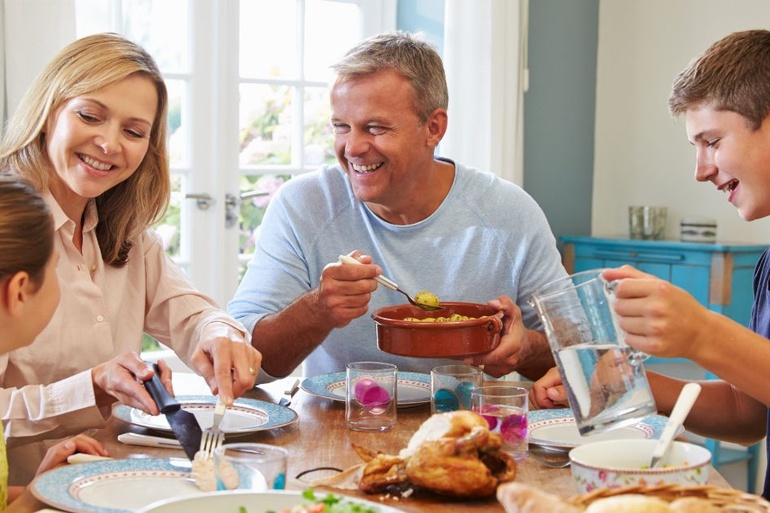
Family dinners offer more than meals on a plate. They’re a chance to slow down, share stories, and connect with one another. If you’re looking to improve your bond with your children and create a healthier family dynamic, you’re in the right place. Here’s how to build stronger bonds through family dinners.
Create a Family Dinner Routine
Children thrive on stability, and a predictable mealtime offers security. Aim for a dinner schedule that suits your family’s needs. Even if your evenings are busy, committing to dining together several times a week can make everyone feel connected.
Encourage discussions about moments in each person’s day to build deeper awareness of each other’s experiences. For example, you might ask everyone to share one high point and one challenge they encountered. These rituals allow your children to feel seen and help them understand your life better. For instance, you could share a challenge you overcame to start the conversation. Your openness shows that everyone faces ups and downs.
Involve Everyone in Meal Preparation
Having the whole family pitch in during dinner prep transforms the experience into a shared activity. Even young children can participate, whether they’re washing vegetables or setting the table. These small tasks teach responsibility and teamwork while deepening family ties. You could give older children the opportunity to plan the menu or try out a family recipe. Working together in the kitchen sparks conversations that may not happen elsewhere and lets everyone feel invested in the meal.
Make the Dining Space Welcoming and Functional
Your dining environment influences conversations and interactions. A warm, inviting space enhances the comfort of everyone at the table. Consider simple changes, such as using soft lighting or removing clutter.
If you’re hosting guests or bringing the whole family together, extendable dining tables can offer practical flexibility. Different types of extendable dining tables can accommodate your needs so that everyone has a seat. Thoughtfully designed spaces encourage your family to linger, creating opportunities for meaningful conversations.
Encourage Open and Respectful Communication
People tend to shy away from judgmental environments, and family dinners are no exception. However, open and respectful communication builds stronger bonds through family dinners. Create an environment where everyone can express themselves.
You might introduce lighthearted conversation starters, such as, “What’s a funny moment you had this week?” These questions open the floor without pressuring anyone to share. Be consistent in respecting each other’s opinions, even if disagreements arise. For example, if a child shares a worry about school, validate their feelings before offering advice. Leading with curiosity and respect shows your children that their thoughts matter.
Embrace Flexibility and Personal Accountability
While consistency is important, it’s just as vital to approach family dinners with compassion. There will be days when schedules clash or tensions feel high. Instead of viewing those moments as setbacks, use them as opportunities to reflect and adapt.
If dinner feels tense, consider whether adjustments could help, like shifting the timing or having lighter conversations. Take a moment to check in with yourself about how your actions set the tone at the table. Changes don’t happen overnight, but small, intentional efforts can add up.