
A low-water garden can stay green, comfortable and inviting through warm, dry spells. The key is to reduce moisture loss at every level, from the soil beneath your plants to the way you water them. Thoughtful zoning also helps, allowing you to reserve thirstier planting for small focal areas and use hardy species elsewhere.
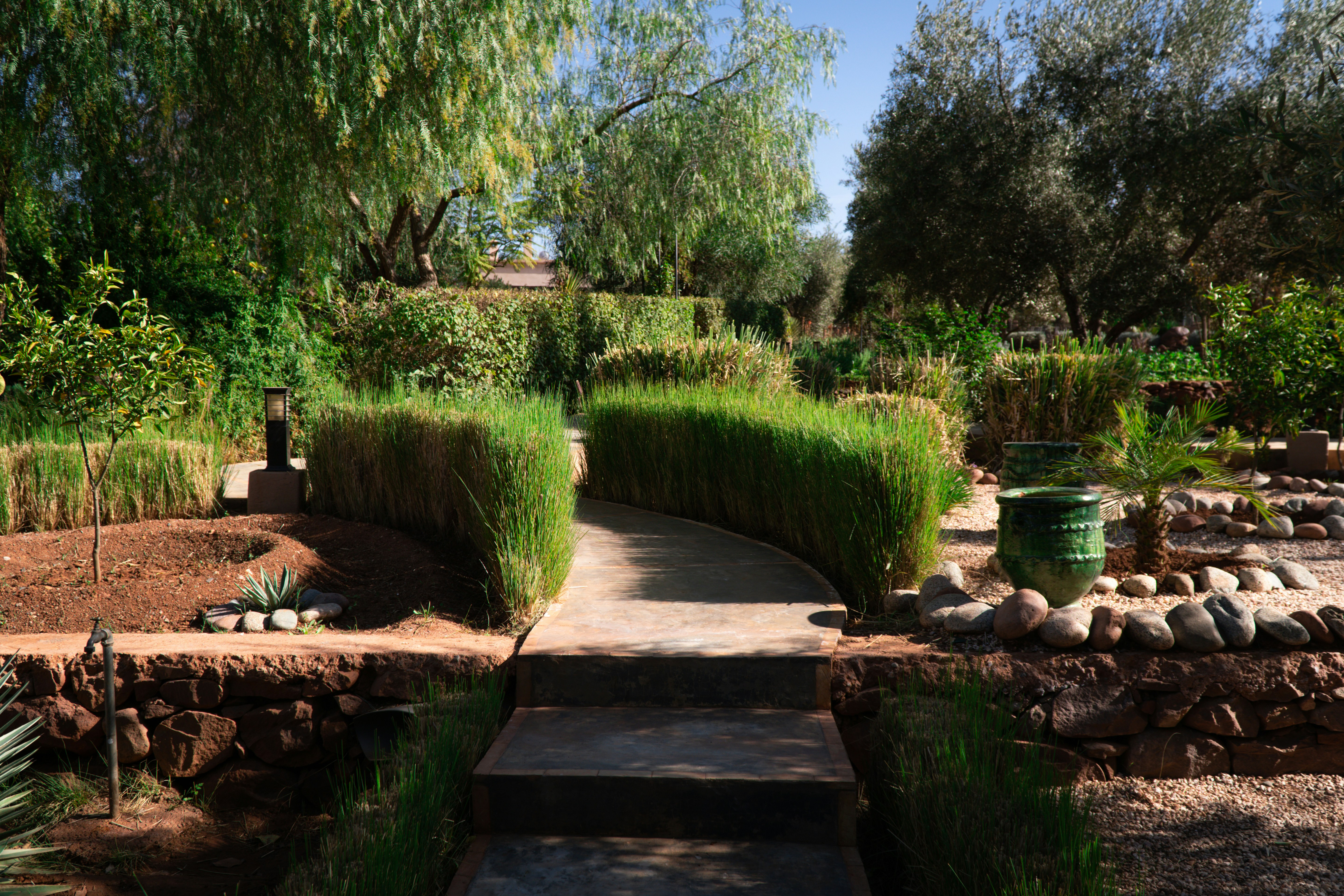
These practical changes will lower water use without leaving your garden looking sparse or neglected.
Prioritise Soil Health First
Healthy soil absorbs water efficiently and holds it where roots can reach it. Before planting, check its texture by squeezing a damp handful. Sandy soil falls apart quickly, while heavy clay feels sticky and may drain slowly. Both improve when you mix in well-rotted compost.
Work organic matter into the top 15 to 20 centimetres of new beds. For established areas, spread a thin compost layer around plants and let worms gradually draw it into the ground. Avoid digging wet clay, as this can compact the soil and close the air pockets that roots need. Thoughtful low-water garden planning starts with matching each plant to the drainage and sunlight in its intended position.
Drought-Tolerant Plants That Deliver
Choose plants with naturally modest water needs, then group those with similar requirements. Lavender, rosemary, sedum and ornamental grasses can cope well with dry conditions once established. Native plants suited to your climate are also valuable because they have adapted to local temperatures and rainfall patterns.
Look for useful physical clues when shopping. Silver foliage reflects sunlight, fleshy leaves store moisture and small or waxy leaves limit water loss. These features appear across many drought-resistant planting ideas with options for different colours, heights and garden styles.
Even hardy plants need consistent moisture during their first growing season. Water the root zone deeply, then allow the surface to begin drying before watering again. This encourages roots to extend further into the soil.
Selecting Resilient Turf for Active Areas
Lawns still have a place in low-water gardens when they serve a clear purpose, such as providing a play space or a cool surface near an outdoor seating area. Measure the area you genuinely use and replace awkward edges or narrow strips with planting beds, gravel or stepping stones.
Grass selection should reflect sunlight, soil type, climate and expected foot traffic. Homeowners and businesses in Cairns or Far North Queensland can seek advice on climate-adapted turf varieties and professional installation for local conditions. Elsewhere, ask a regional supplier which varieties recover well from wear and tolerate periods of reduced irrigation.
Set mowing blades higher during dry weather. Longer grass shades the soil, supports deeper roots and usually retains its colour for longer.
Smart Watering Routines That Work
Water early in the morning, when temperatures are lower and wind is often lighter. Aim water at the soil instead of spraying leaves, paths and walls. A drip line or porous hose can deliver moisture slowly to beds, reducing run-off on compacted ground.
Deep, less frequent watering is generally more useful than a brief daily sprinkle. Check the result with a trowel after irrigation. Moisture should reach several centimetres below the surface, where active roots can use it.
Adjust your schedule after rain instead of relying on an automatic timer throughout the year. Place a simple rain gauge in an open spot and inspect plants before switching irrigation on. Drooping leaves can signal thirst, but they may also indicate waterlogged soil, so feel the ground first.
Mulching for Long-Term Moisture Retention
Apply a 5 to 8 centimetre layer of mulch over bare soil once the ground is damp. This covering slows evaporation, limits weed growth and protects the surface from becoming hard during intense rain. Bark, wood chips and leaf mould suit ornamental beds, while composted straw can work well around vegetables.
Keep mulch a few centimetres away from stems, trunks and the crowns of plants. Material piled directly against them can trap too much moisture and encourage decay. Check the depth each season because organic mulch gradually breaks down and feeds the soil.
Remove established weeds before topping up the layer. Mulch suppresses small seedlings effectively, but persistent weeds may grow through it and compete with garden plants for limited water.
A useful low-water layout gives every green area a job. Keep resilient grass where people walk or play, place the most drought-tolerant plants in exposed spots and improve one bed at a time with compost and mulch. After the first few watering cycles, check the soil beneath the surface. That simple test will tell you far more than a fixed calendar ever could.