
Overhauling your garden and creating something new and beautiful can be an incredibly rewarding thing to do for you and your whole family. Whether you’re clearing away overgrowth, redesigning the layout or starting a garden right from scratch, the end result can totally transform your outdoor space. Of course, it is not all roses and if you are not careful, what should be a productive weekend in the garden can quickly become an overwhelming nightmare that gives you a serious headache.
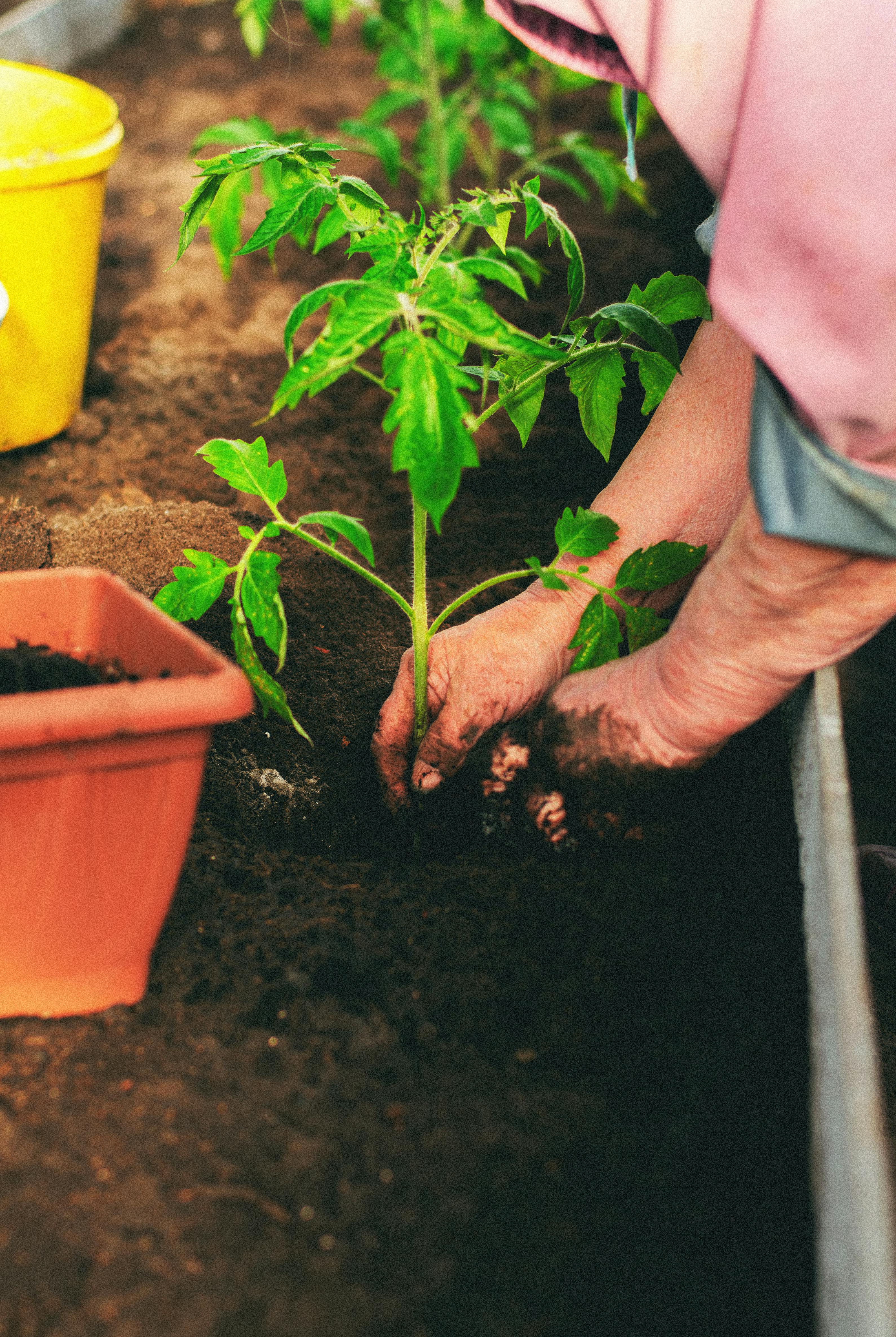
Don’t want that to happen? Here’s what you need to do to tackle a successful garden overhaul without the headache.
Start with a clear plan
Before you pick up your spade, it is a good idea to take some time to plan what it is you want to achieve with your garden overhaul. For example, you might want to remove old plants to make way for fresh ones, or you might want to level the ground. Maybe you want to create a new feature like a patio or flower bed. Get really clear what it is you want to achieve and then break each task into manageable sections to make it easier for you to get things done productively without wasting time or getting stressed out.
Be realistic about time
One of the biggest mistakes people make is underestimating how long a garden overhaul will take. Jobs like digging, clearing, and moving materials are physically demanding and often slower than expected. So, be sure to set realistic goals for your weekend. It is better to complete one area properly than rush through multiple tasks and end up with unfinished work. Pacing yourself will make the experience far more manageable, and that means you will enjoy it more.
Gather the right tools and materials
Having the right equipment on hand before you start tinkering in the garden is really important, as it can save a lot of time and frustration. Having a good range of tools that will allow you to do everything from digging and lifting to cutting and transporting materials is always a good idea.
It’s also important to make sure that you have all the supplies you need, such as compost, edging materials, and plants because you can really lose your momentum if you have to stop halfway to source what you need.
Plan for getting rid of garden waste
Garden projects can generate more waste than you expect, especially if you are removing soil, turf or old plants. Without a clear plan for disposal, debris can quickly pile up and get in the way. This is where it helps to think ahead and ask practical questions like what skip size do I need for soil? Soil is heavy and takes up space quickly, so choosing the right solution from the start will save you time and effort. Keeping your workspace clear just makes the job easier and safer, so it is worth doing.
Work in stages
So you do not get tired, fed up, or stressed out, it is always a good idea to do things in stages. So, start by clearing and prepping the garden. Then move on to structural changes like leveling, and then later you can plant and add decorative touches. It’s so much less overwhelming if you do it like this.
Garden overhauls take time and effort, but if you plan well, they will not be a huge headache!