
In this modern age, where stress and health issues are commonplace, mastering the art of breathing can be a game-changer. This article will explore how simple yet powerful breathing exercises can elevate your mental, physical, and emotional well-being. From the ancient art of pranayama to modern deep breathing practices, we’ll dive into the ‘breath of life’ and its incredible benefits for your health.

The Science of Breathing
Understanding the science behind breathing is key to appreciating its impact on health. Breathing is more than just inhaling oxygen and exhaling carbon dioxide; it’s a vital process that influences our entire body. Proper breathing techniques can enhance oxygen intake, regulate the nervous system, and even alter our brain patterns.
By delving into how breathing affects our heart rate, blood pressure, and stress levels, we gain insight into its role as a powerful tool for health improvement. In this section, we’ll unravel the intricate connection between breathing and our body’s overall functioning.
Benefits of Controlled Breathing
Controlled breathing isn’t just about taking deep breaths; it’s a gateway to enhanced well-being. By consciously altering our breathing patterns, we unlock a host of benefits. Firstly, it’s a powerful antidote to stress. When we breathe deeply and slowly, our body switches from a state of alertness to relaxation, reducing stress hormones in the process.
Additionally, controlled breathing significantly improves lung function. By fully engaging the diaphragm and expanding the lungs, we enhance oxygen intake, which is vital for energy and overall health.
Lastly, it sharpens mental clarity. Focused breathing brings more oxygen to the brain, fostering clear thinking and improved concentration. These are just a few glimpses of how something as simple as changing our breathing can profoundly impact our health.
Pranayama Breathing Exercises
Pranayama, a cornerstone of yoga practice, is much more than just breath control; it’s a transformative tool for enhancing life force energy. Pranayama breathing exercises encompass a range of techniques, each with unique health benefits. For example, ‘Anulom Vilom’ or alternate nostril breathing, is known for its calming effect on the nervous system and balance-restoring qualities.
‘Kapalbhati’, another popular technique, invigorates the body and sharpens the mind. Regular practice of these exercises can lead to significant improvements in respiratory health, stress levels, and even aid in better sleep. Incorporating pranayama into your daily routine is a simple yet powerful way to enhance your physical and mental well-being.
Deep Breathing for Relaxation
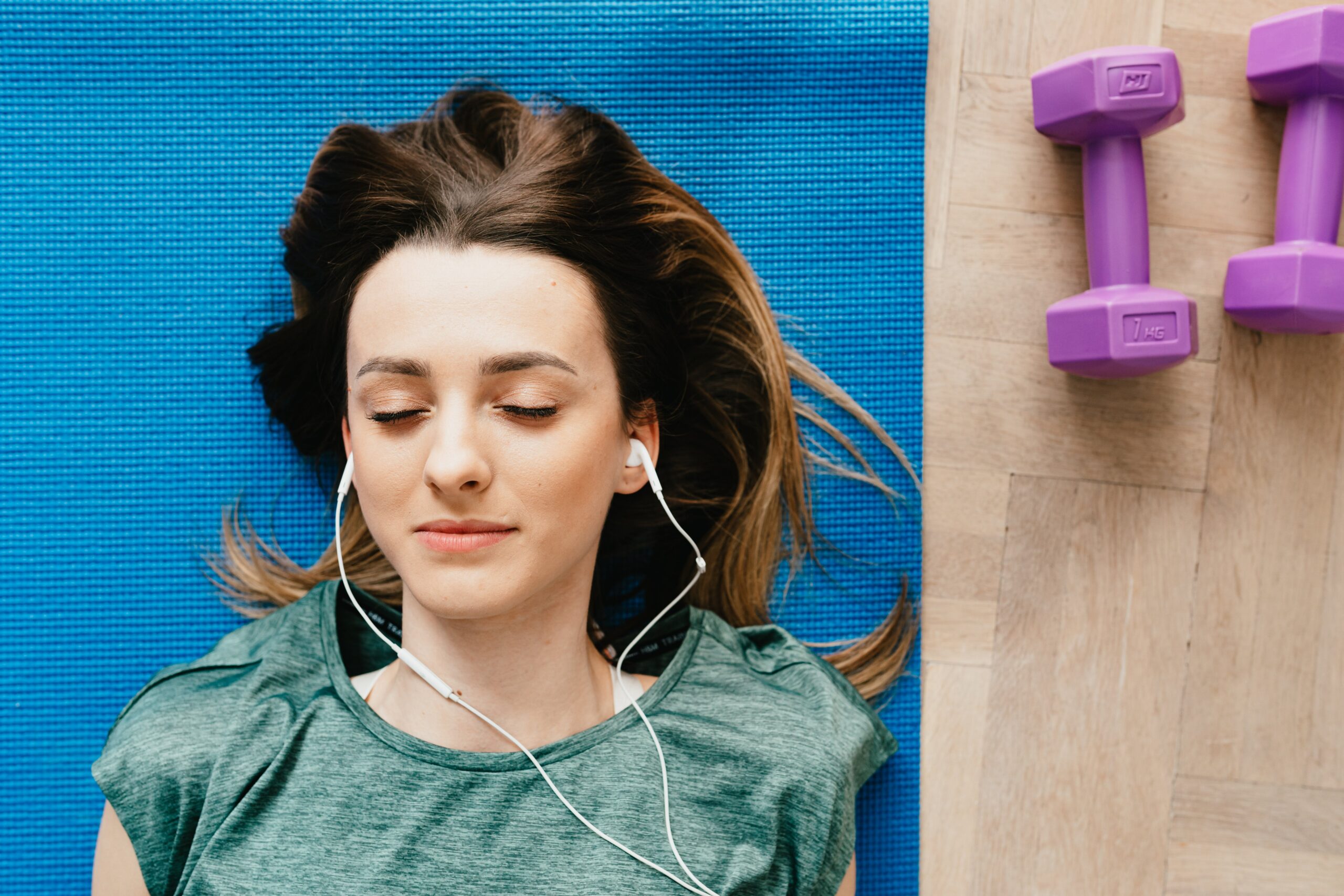
The art of deep breathing is a key to unlocking profound relaxation and stress relief. When we engage in deep, mindful breathing, it sends a signal to our brain to calm down and relax, thereby reducing the stress hormones in our body.
A simple technique to start with is the 4-7-8 method: inhale deeply for 4 seconds, hold the breath for 7 seconds, and exhale slowly for 8 seconds. This technique can be practiced anywhere – at your desk, in a quiet room, or even before bedtime. Just a few minutes of deep breathing daily can significantly lower stress levels, improve mood, and bring about a sense of calm and clarity.
Breathing Techniques for Physical Activity
Proper breathing is not just beneficial for relaxation; it’s also crucial during physical activity. Efficient breathing enhances athletic performance and endurance by ensuring a steady supply of oxygen to the muscles. For aerobic exercises like running or cycling, rhythmic breathing is key. Syncing your breath with your movements – for example, inhaling for two steps and exhaling for two – can improve efficiency and stamina.
In strength training, exhale on exertion (like when lifting weights) and inhale during less strenuous phases. This technique not only helps to power through the workouts but also prevents dizziness and fatigue. Being mindful of your breath during physical activities maximizes the benefits and reduces the risk of injury.
Breathing Techniques for Better Sleep
Quality sleep is crucial for overall health, and breathing techniques can significantly enhance your sleep patterns. Focused breathing exercises before bedtime can calm the mind, reduce stress, and prepare the body for restful sleep. Techniques like the 4-7-8 method or diaphragmatic breathing can help slow down your heart rate and ease the transition into deeper sleep stages. In this section, we’ll explore how incorporating specific breathing exercises into your nightly routine can lead to more restorative sleep, helping you wake up refreshed and energized.
Recap
The power of breath is a remarkable tool in our journey towards health and well-being. As we’ve explored, various breathing techniques, from the calming pranayama exercises to simple deep breathing for relaxation, offer a range of benefits that enhance both our mental and physical health.
By incorporating these practices into our daily routines, we can effectively manage stress, improve lung function, and even boost our exercise performance. I encourage you to embrace these techniques and make them a part of your daily life. The path to improved health could be as simple as taking a deep, mindful breath.