
A cool, comfortable home starts with renovation decisions that control heat before it spreads from room to room. Window position, insulation, duct routes and even interior doors can affect how hard a cooling system needs to work.
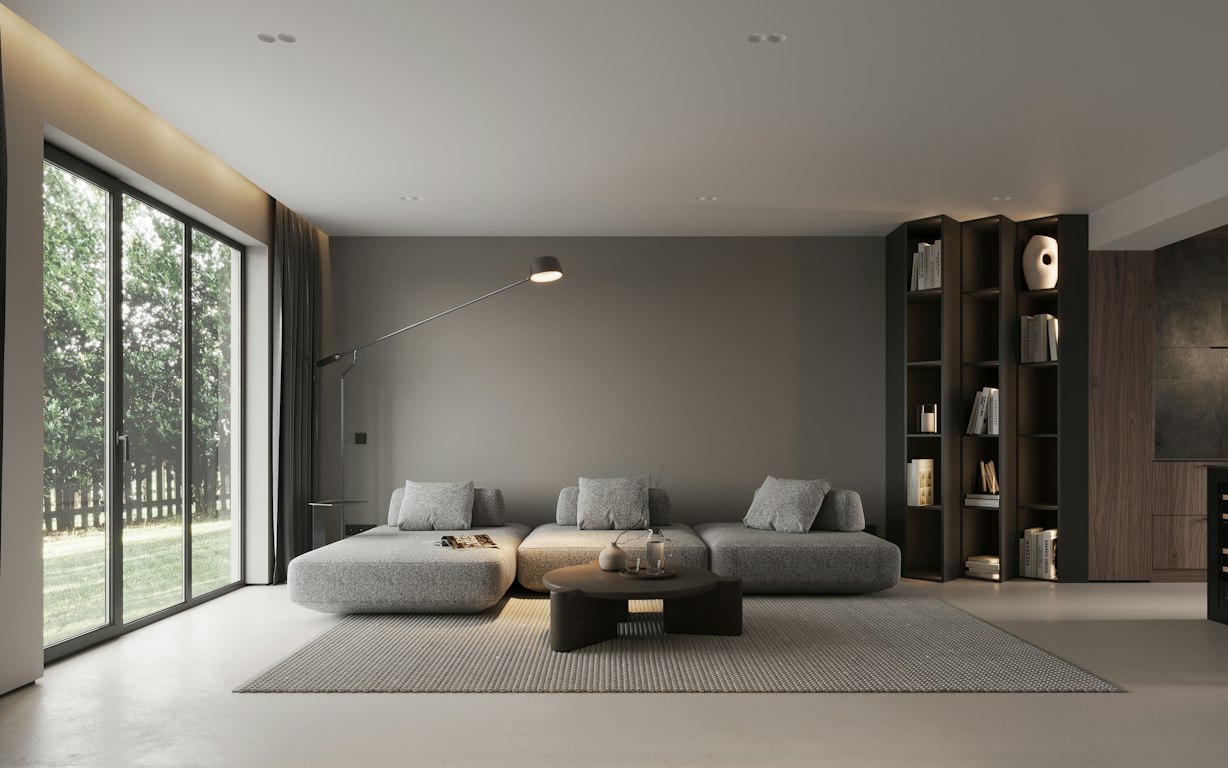
Addressing these details during the design stage can lower energy use and reduce hot spots that are difficult to fix later. The following choices will help you create more consistent indoor temperatures without sacrificing the welcoming style that makes a house feel like home.
Plan Around Natural Light and Heat
Natural light can make rooms feel larger and more cheerful, but direct afternoon sun may quickly raise indoor temperatures. Map where sunlight enters at different times before deciding on window sizes and room layouts. North-facing windows receive steady daylight in many Southern Hemisphere locations, while western glazing often needs stronger heat control.
Use roof overhangs, exterior shades or deciduous plants to block intense summer sun. Inside, lined curtains and cellular blinds add another layer of protection. Lighter wall colors also reflect daylight farther into the room, so you may not need oversized windows. These simple natural light ideas offer useful ways to brighten interiors while keeping the layout practical.
Rethink Ductwork and Unit Placement
Discuss cooling plans before ceilings and walls are closed. Short, direct duct runs generally move conditioned air more efficiently than long routes with several sharp turns. Supply vents should serve the areas people use most, while return vents need enough open space to draw air back through the system.
Detailed guidance on efficient HVAC design can help you coordinate equipment, insulation and room layout. If you’re planning air conditioning for a coastal home or business in Ulladulla, professional input can identify suitable unit locations and capacity requirements. Keep outdoor equipment clear of enclosed corners and dense planting, which can restrict airflow and complicate servicing.
Choose Materials That Resist Thermal Gain
Start with the roof and exterior walls since these surfaces receive prolonged sun exposure. Light-colored roofing can absorb less heat than a dark finish, while effective ceiling insulation slows heat transfer into rooms below. Check insulation levels around recessed fixtures and access hatches too, as small gaps can weaken the overall thermal barrier.
Windows deserve equal attention. Low-emissivity glass, insulated frames and carefully sealed edges can reduce unwanted heat transfer. For rooms with strong afternoon exposure, exterior shading usually stops more heat than an indoor blind alone. NYSERDA’s energy-saving improvement ideas provide further guidance on insulation, sealing and efficient home upgrades. Select durable finishes suited to local humidity so thermal improvements remain effective over time.
Balance Modern Aesthetics With Airflow
Open-plan rooms look spacious, yet they need clear paths for air to circulate. Large furniture, floor-to-ceiling shelving and heavy curtains can block vents or trap warm air. Leave space around supply and return grilles, then arrange seating so cooled air can move across the occupied part of the room.
Interior doors also influence temperature balance. A bedroom may become stuffy overnight if a closed door prevents air from returning to the central system. A transfer grille, suitable door undercut or dedicated return path can solve that issue while preserving privacy. Ceiling fans are useful in rooms with high ceilings because moving air improves comfort, allowing you to use a moderate thermostat setting without making the space feel warm.
Before finalizing renovation drawings, mark every window, vent, door swing and major piece of furniture on the same plan. That simple overlay often reveals blocked airflow or a sun-exposed room early, when the fix may require only a small layout change instead of costly work after construction.


