
As parents, we’ve all been there. Our child comes out of school with lots of big feelings, but they struggle to tell us what’s wrong, despite our gentle coaxing.

My daughter often feels left out of interactions in the playground. She can’t understand why some kids don’t want to play with her today. My big hearted daughter comes home dismayed and disappointed. Frustratingly, there’s no way for me to explain it to her.
Over time, I’ve come to realise that trying to explain it doesn’t really help her. What’s actually helping is turning to storytelling as a gentle way to help her understand and manage her emotions.
The magic lies in tapping into the characteristics of children’s literature. That is, creating relatable characters in simple plots, and reaching a comforting story resolution. Along the way, my daughter has developed a personal voice that allows her to express herself.
We are all storytellers. We all live in a network of stories. There isn’t a stronger connection between people than storytelling.
— Jimmy Neil Smith
Storytelling allows children to feel understood and supported, and ultimately process and accept their feelings.
Therapeutic storytelling and bibliotherapy (using books to help kids process their feelings) is a top resource of children’s therapists, but you absolutely don’t need to be a therapist to make use of them!
And I will show you how in this post.
Why Storytelling Helps Children Process Emotions
Humans have shared stories since time began. It’s how we process life. And it’s no different for our children. In fact, stories create a safe space where children can explore their feelings at a distance.

Just like we adults empathise with characters in our favourite books and movies, children see themselves in the characters of the stories we create. In this sense, the characters mirror our child to help them to visualise and understand their big feelings.
The story content that you will create together gives your child ideas on how to learn new coping strategies — it provides guidance, support and validation along the way.
The process of creating a story gives your child their own working emotional vocabulary, so it’s really helpful for their emotional development.
You may even devise a happy ending that helps your child to internalise the positive feelings that come from a happy ending. And they can see how this resolution would work for them, too.
What I love about this technique is how it works so well as they get older too, you will always be a safe space for your child’s feelings. Isn’t that wonderful?
And with you, a loving parent or carer as their guide, they see that their feelings need to be expressed, and are normal and valid.
1. What Is This Big Feeling?
Together, you can identify the big emotions your child is facing. For example, is this sadness, jealousy, anger, loneliness, etc?
Ask what happens when we feel these things. Do we have outbursts? Are we loud? Or do we hide away from the family? Do we cry or get upset?
Once we identify the emotion, we can start to shape the story’s message together.
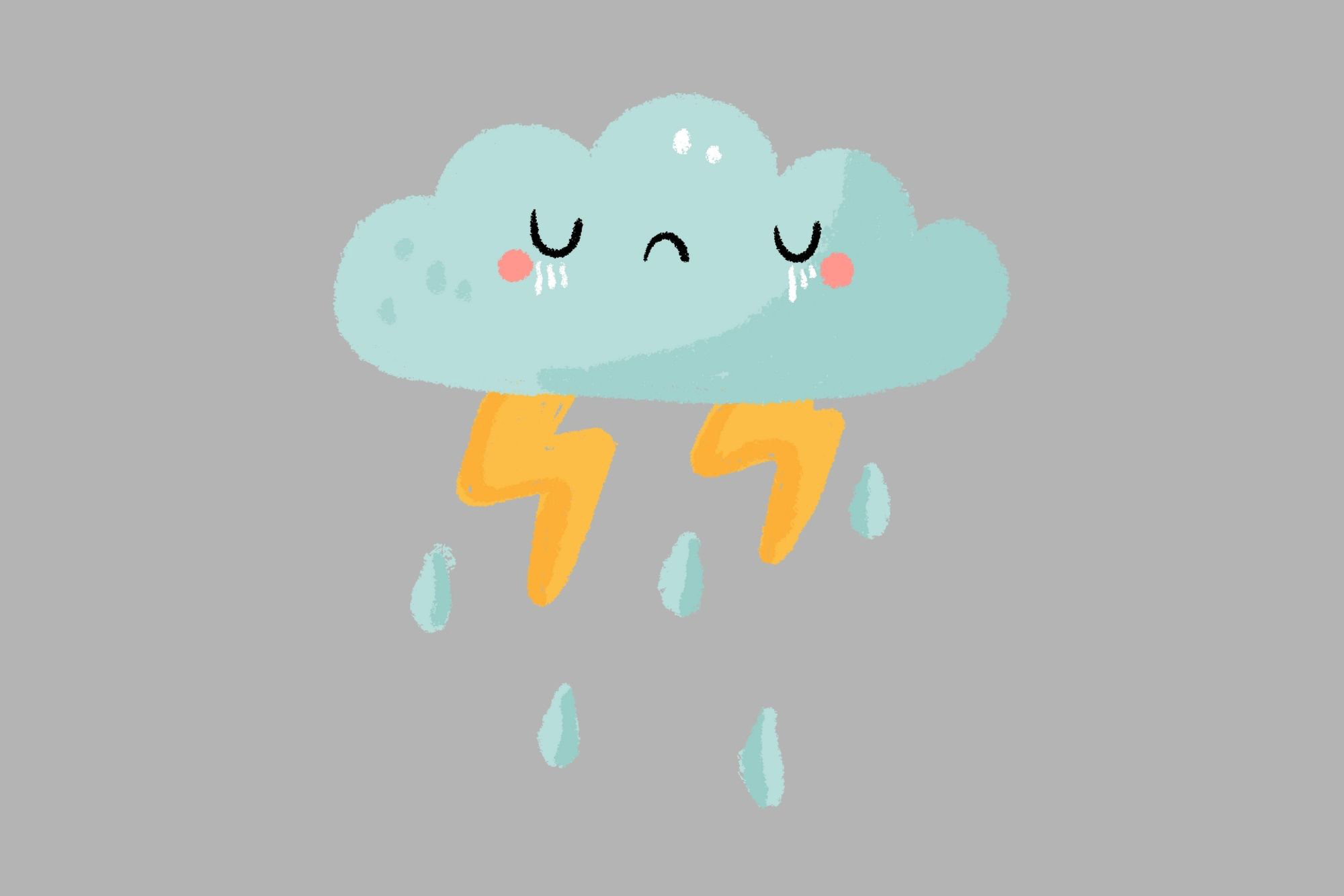
For example, we can give emotions roles in the story e.g. a sad cloud that follows the character around. Or a lightning bolt that feels angry but doesn’t know what to do with its anger.
2. Build Relatable Characters and Simple Plots
When creating your story together, use characters that are familiar to your child that they can relate to, for instance animals that they know, toys that they play with, or fictional children that they can relate to.

Don’t be afraid to show the character’s vulnerability, the story will feel more real because of it. Name the emotions and where and how they feel in the body. Show them in the storytelling, for instance not just “she was angry”, but “her fists were clenched”, and “the air crackled because of how big her anger was”. You might even raise a giggle along the way!
Use everyday details to bring the story to life, for instance a school bag with charms on it, or a favourite school jumper with holes in it. Without getting too complicated for younger kids, this helps the story to feel grounded in reality.
How Should The Story Be Structured?
Depending on how old your child is, keep your plots short and structured.
From the ages of 3 upwards, your child will be able to tell you a story about their day. From the age of about 8, your child will grasp the concept of a story’s start, middle, and end. This comprehension really does depend on your child, though.
Above all, the story should be reassuring and easy to understand, especially for younger children.
3. Model Healthy Coping Strategies
One of the best ways to help your child with their big emotions is to show the main character positively managing their emotions.

This could look like:
- Taking deep breaths
- Asking for help
- Talking about feelings
- Positive self-talk, e.g, “I can do this!”
- Dancing, singing, or moving the body
- Drawing or artistic expression
Their path to reaching this resolution doesn’t have to be perfect. It can be messy with a few twists and turns along the way, just like life. However, avoid overly complex solutions. The focus is on positive encouragement, and creating a strategy and vocabulary for coping.
The best part? When your child hears their character overcome their challenges, they’ll be so encouraged and motivated to try it for themselves.
Remember that your child’s age means they might not have the ability to process emotions rationally in the heat of the moment. So it’s important to maintain age-related expectations.
5. Involve Your Child in the Storytelling Process
You can deeply involve your child in the storytelling process by asking “What should the character do next?” or “How does the character feel?”.

Allow your child to name characters, choose settings, or draw parts of the story. This active involvement strengthens emotional understanding and connection with the story. The story can expand as long as your child wishes as they add to it.
Remember to steer them back to the main plot and characters, if they start to go down a different route.
Now, you can retell this story several times. Your child will find the repetition comforting. Just like with children’s literature, the story can be repeated several times.
Remember, none of this needs to be perfect. Just keep your tone calm and reassuring, and your child will feel truly heard and loved.
Final Thoughts
Storytelling is a great way for parents to help their children process their big feelings. We can tap into the characteristics of children’s literature to build familiar characters, a shared sense of emotion, and create a positive ending.

Why not try it with your child this evening? Just one 5-minute bedtime story can make a difference. Remember, you are the best person to help your child through their big feelings — together, you’ve got this!
Why not share your favourite emotion-based story ideas in the comments?
This article is intended for entertainment purposes only — from one mother to another.
If you feel your child needs professional help to manage their feelings, do not hesitate to reach out to a teacher, GP, or child therapist for extra support if you need to.
Author: Helen Little is a mum of 4 who writes about ways to feel good with little ones at her blog Natural Beauty with Baby.